
Drug & Alcohol Rehab Centers in Georgia
Georgia's treatment landscape is anchored by Atlanta — the Southeast's largest treatment hub — with world-class programs connected to Emory University and Morehouse School of Medicine. With over 450 licensed facilities statewide, Georgia offers everything from sophisticated urban programs in the Atlanta metro to faith-based residential centers in rural communities and coastal healing environments in Savannah. The state combines clinical excellence with genuine Southern community values, creating a treatment culture where people feel both professionally supported and personally welcomed.
Source: CDC WONDER, SAMHSA NSDUH (2024)
Explore Treatment Centers in Georgia
Browse 220 treatment facilities across Georgia on the interactive map
Fetching treatment centers...
Need Help Finding the Right Treatment?
Browse our directory or call to discuss treatment options.
How to Get Started in Georgia
Call for Help
Call Georgia Crisis & Access Line (GCAL) at 1-800-715-4225 for a free, confidential conversation about your options.
Get Assessed
A counselor will evaluate your situation and recommend the right level of care. Georgia Medicaid (DCH) can help with referrals.
Verify Coverage
Check your insurance benefits before starting. Georgia Medicaid covers essential behavioral health services including substance abuse treatment.
Begin Treatment
Choose from 450 licensed facilities across Georgia and start your recovery journey.
All Treatment Centers in Georgia
Browse and filter facilities
Atlanta Metropolitan Area
41 Treatment Centers across 3 Boroughs
The Atlanta metropolitan area serves as the Southeast's primary treatment hub, offering diverse addiction treatment options connected to Emory University and other leading medical institutions. From urban Atlanta programs to suburban facilities, the metro provides comprehensive care for all needs and budgets.
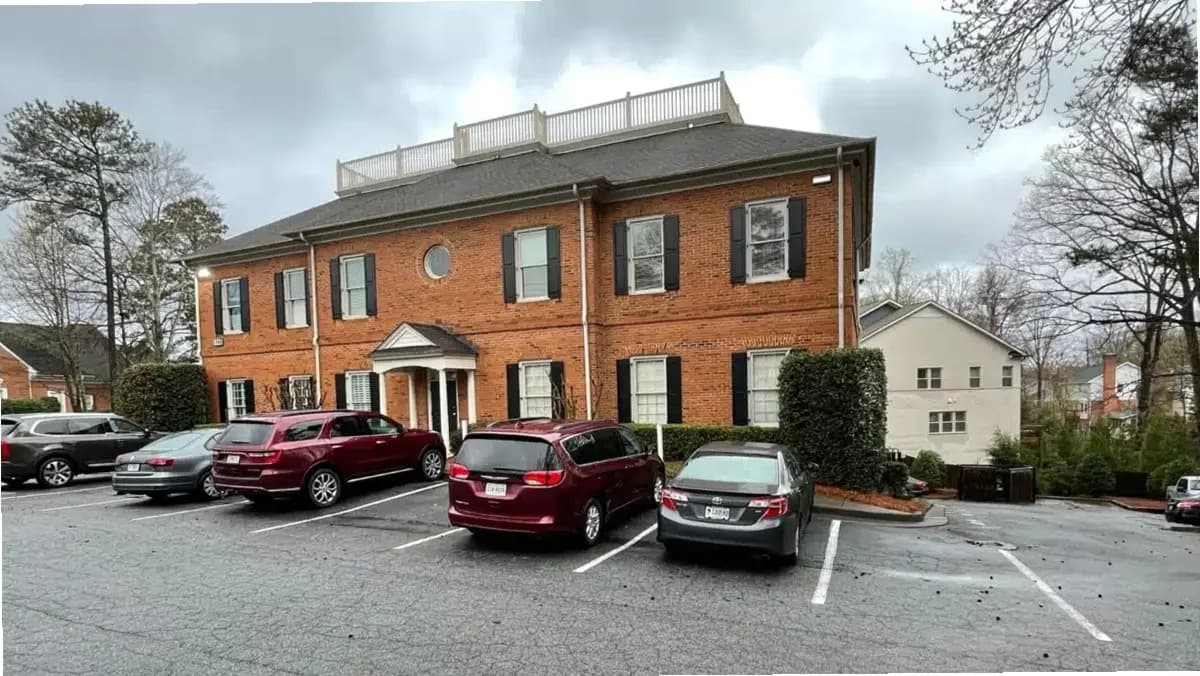
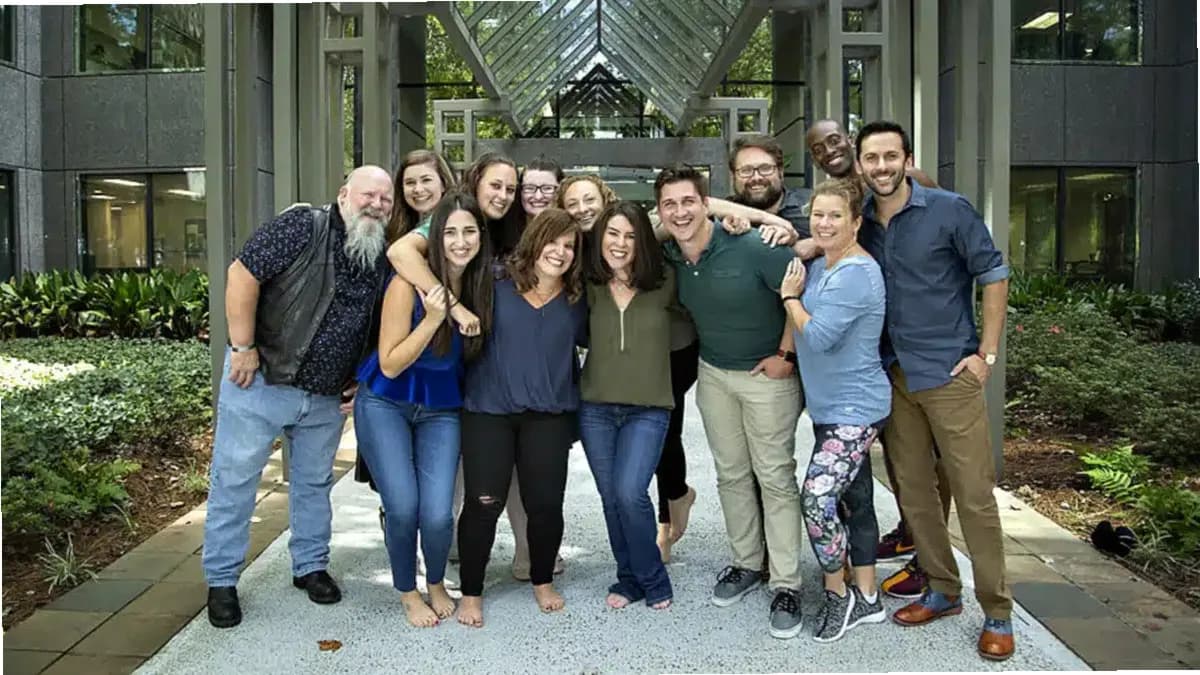
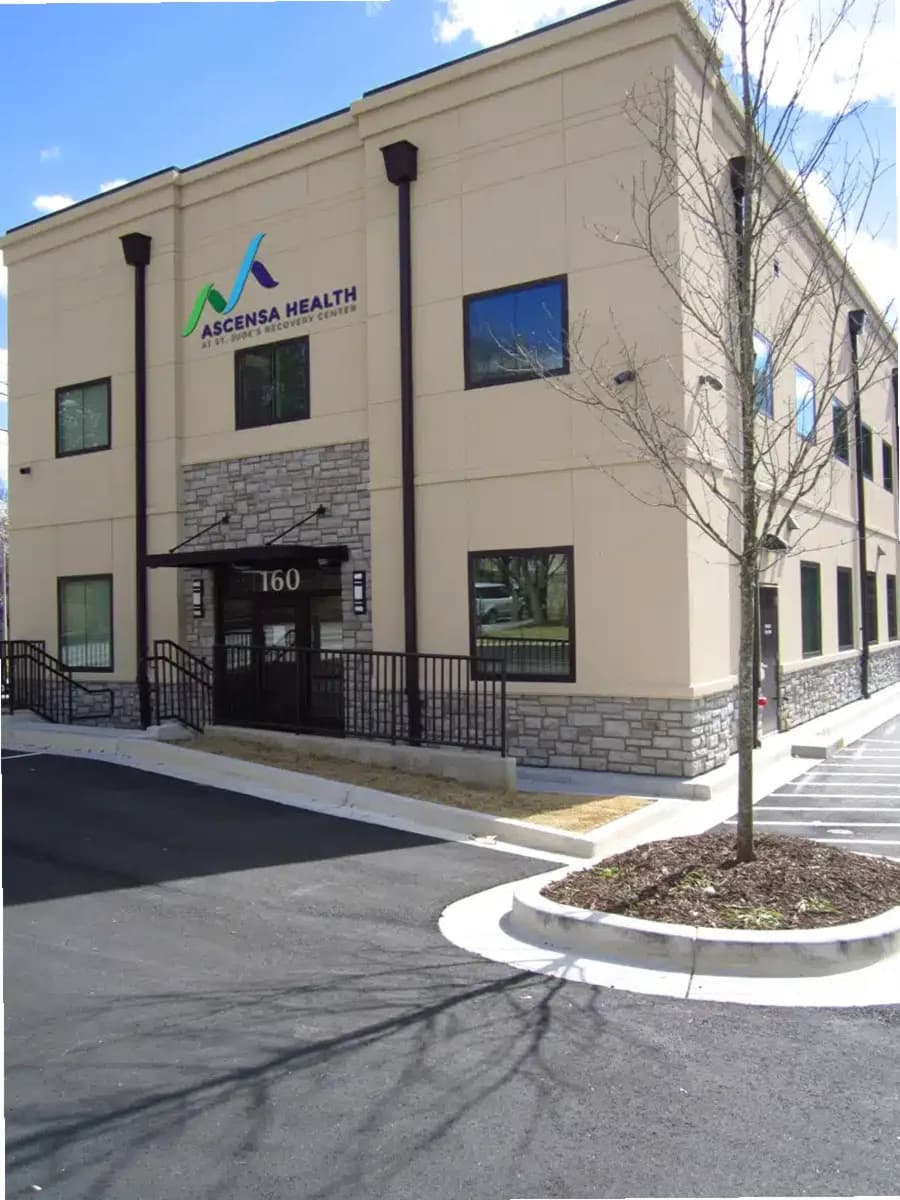
Atlanta(24 centers)
Atlanta offers the Southeast's most diverse treatment options with strong connections to Emory and other medical centers.


Marietta(7 centers)
Marietta provides suburban treatment options in Cobb County with family-friendly programs and accessible community-based care.



Decatur(10 centers)
Decatur offers community-focused treatment in a progressive neighborhood setting with diverse program options.
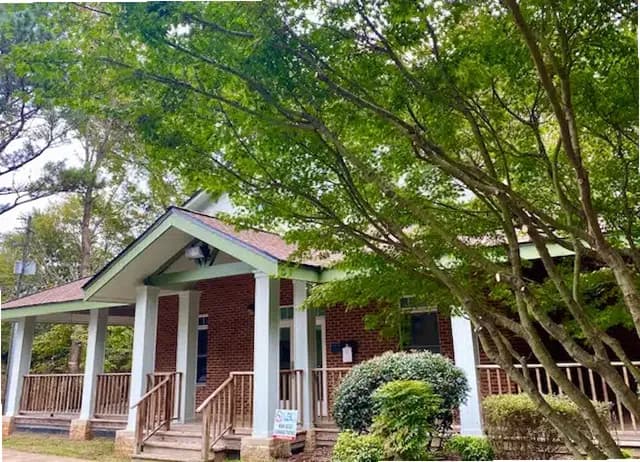
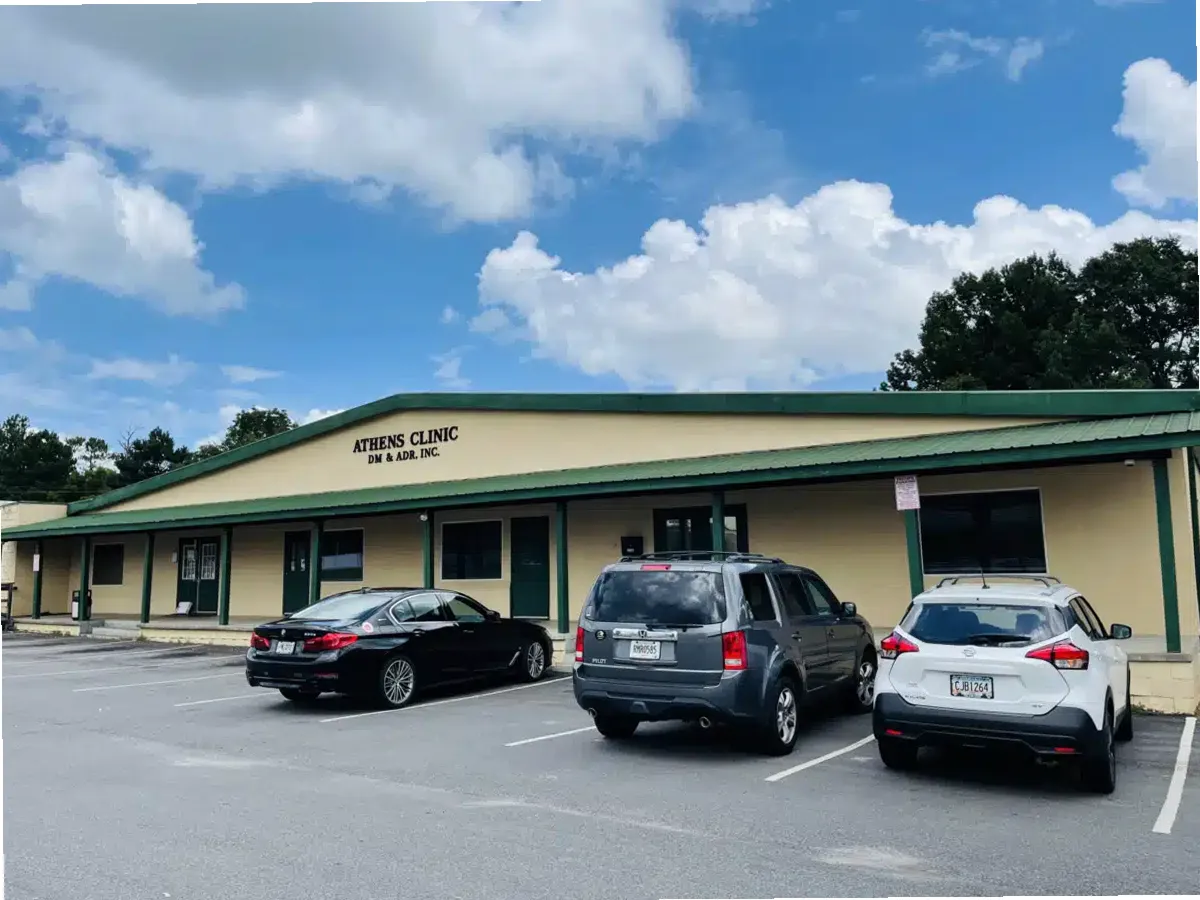
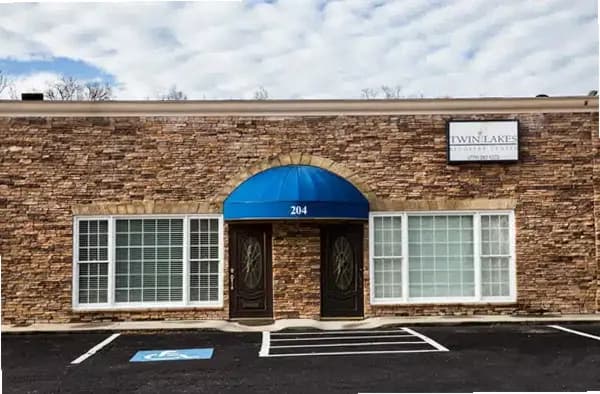
Athens(8 centers)

Valdosta(6 centers)
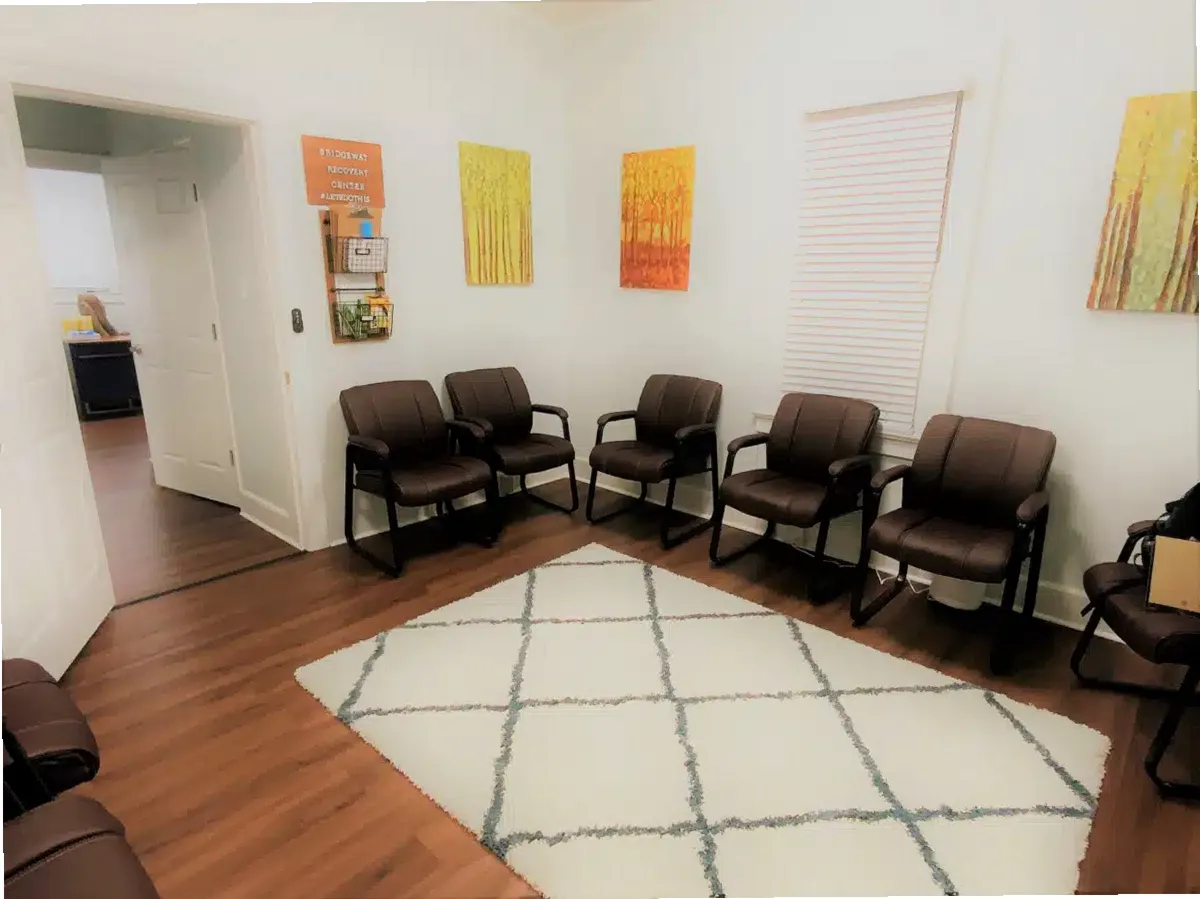
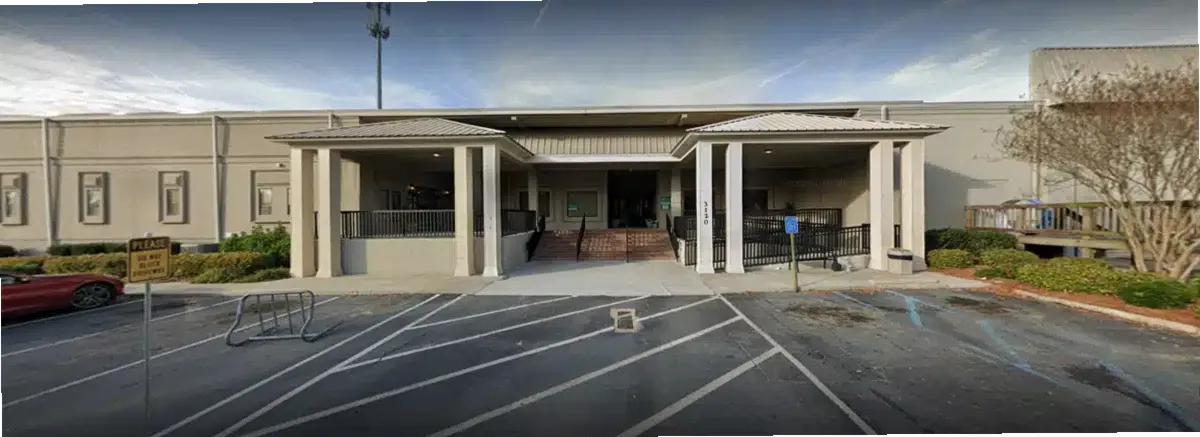
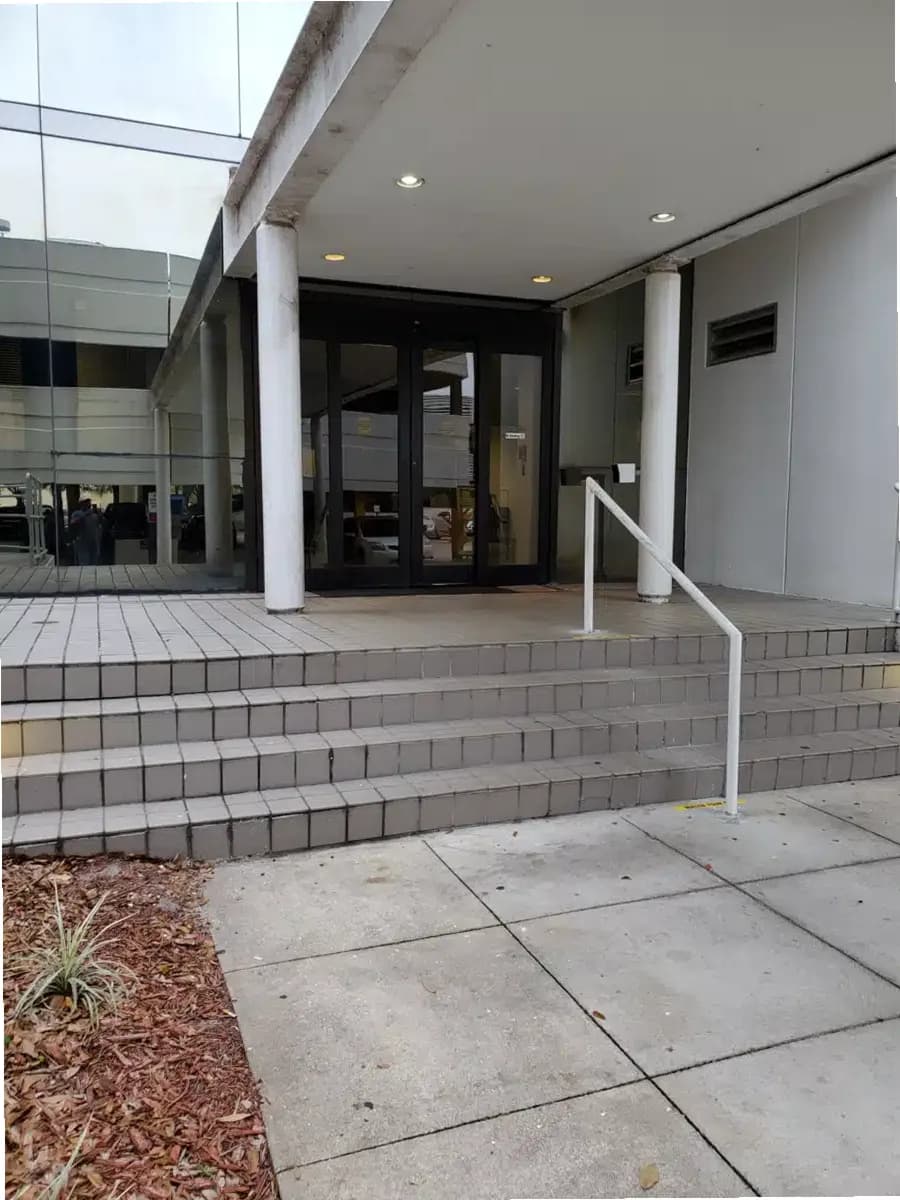
Savannah(6 centers)
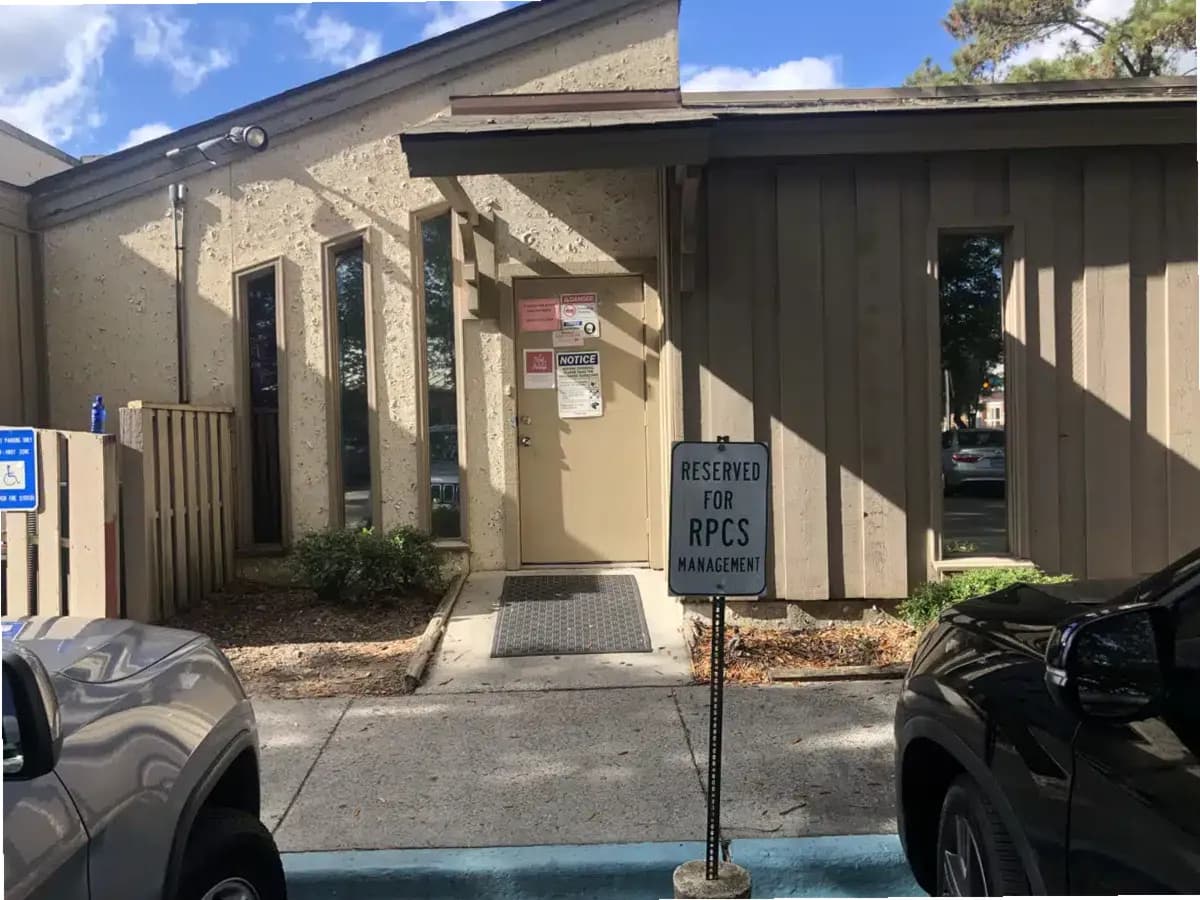
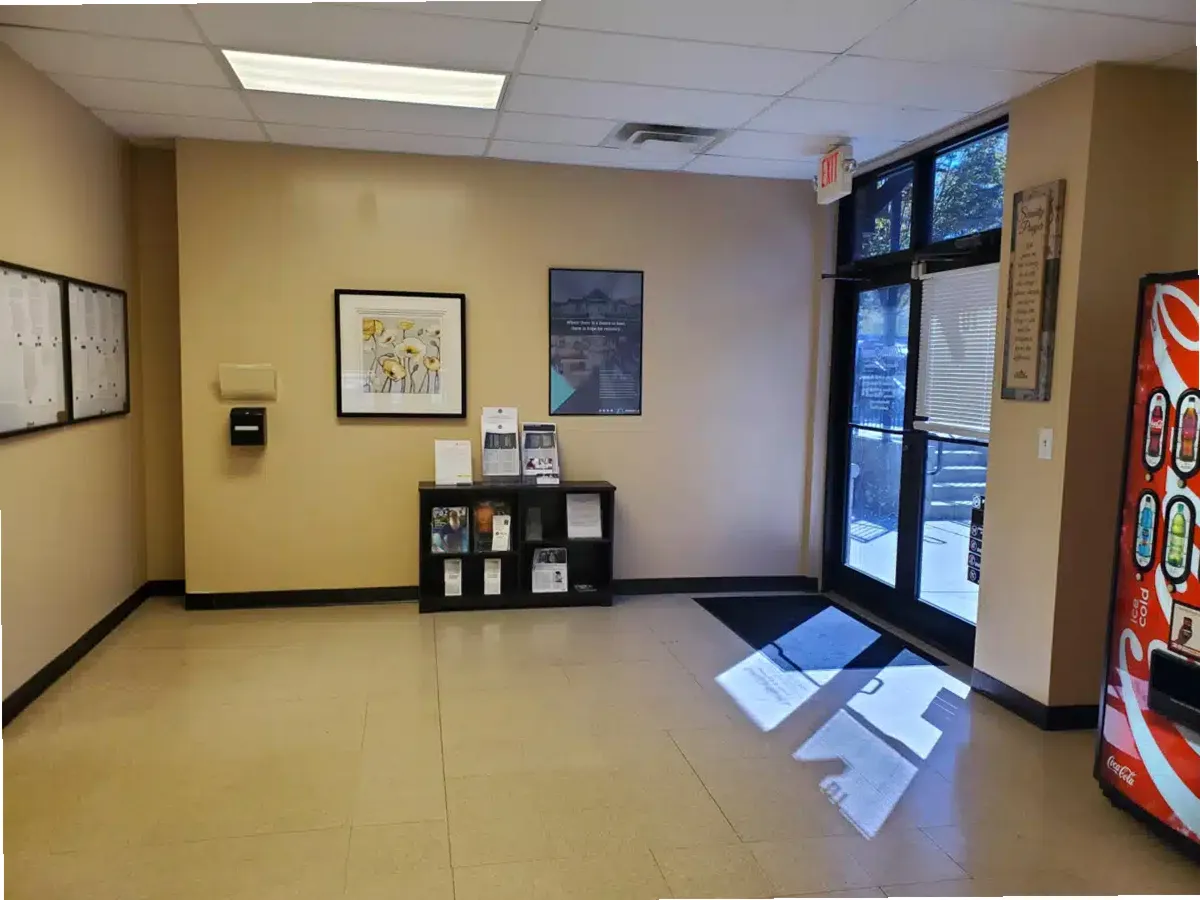
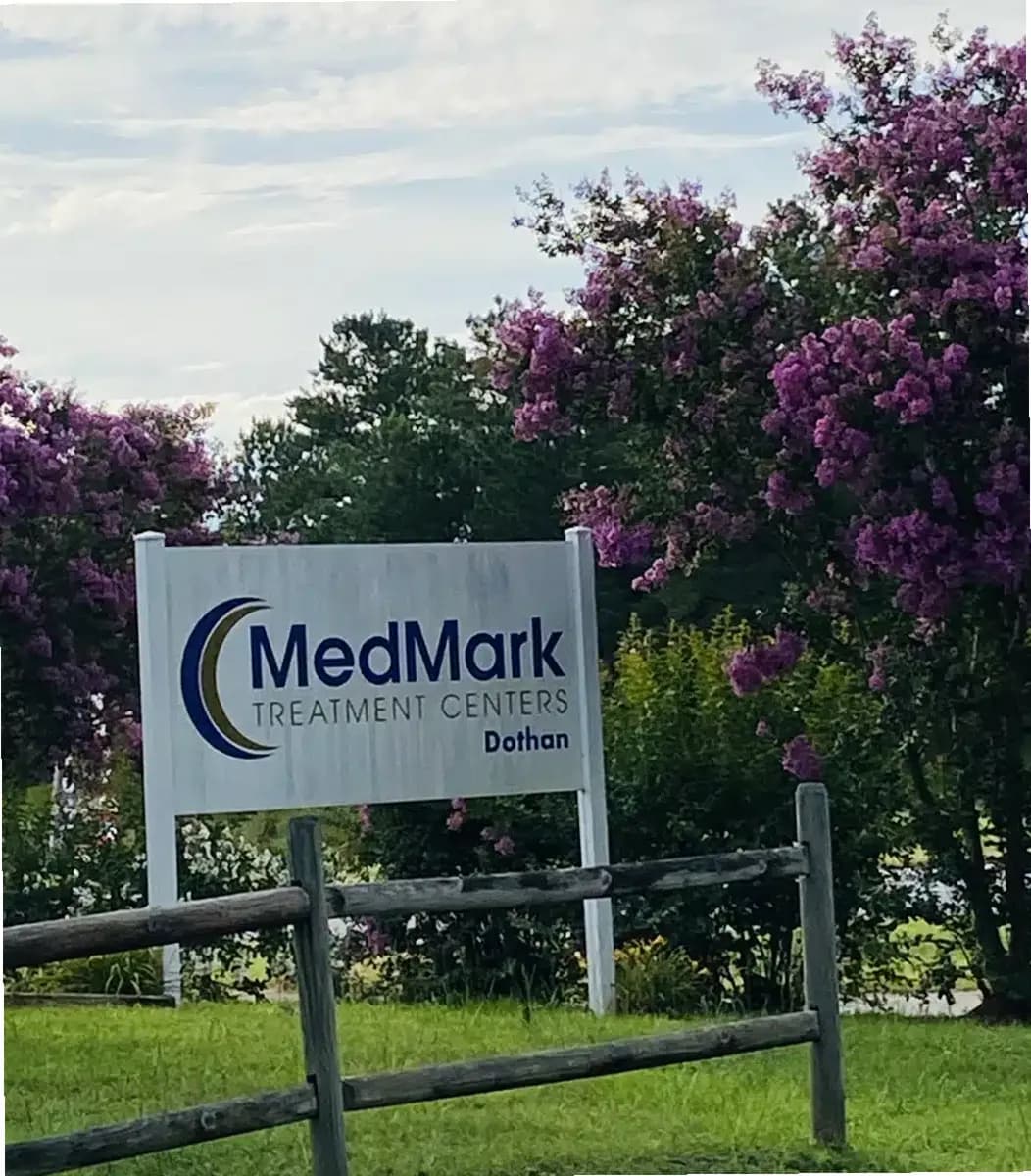
Augusta(6 centers)

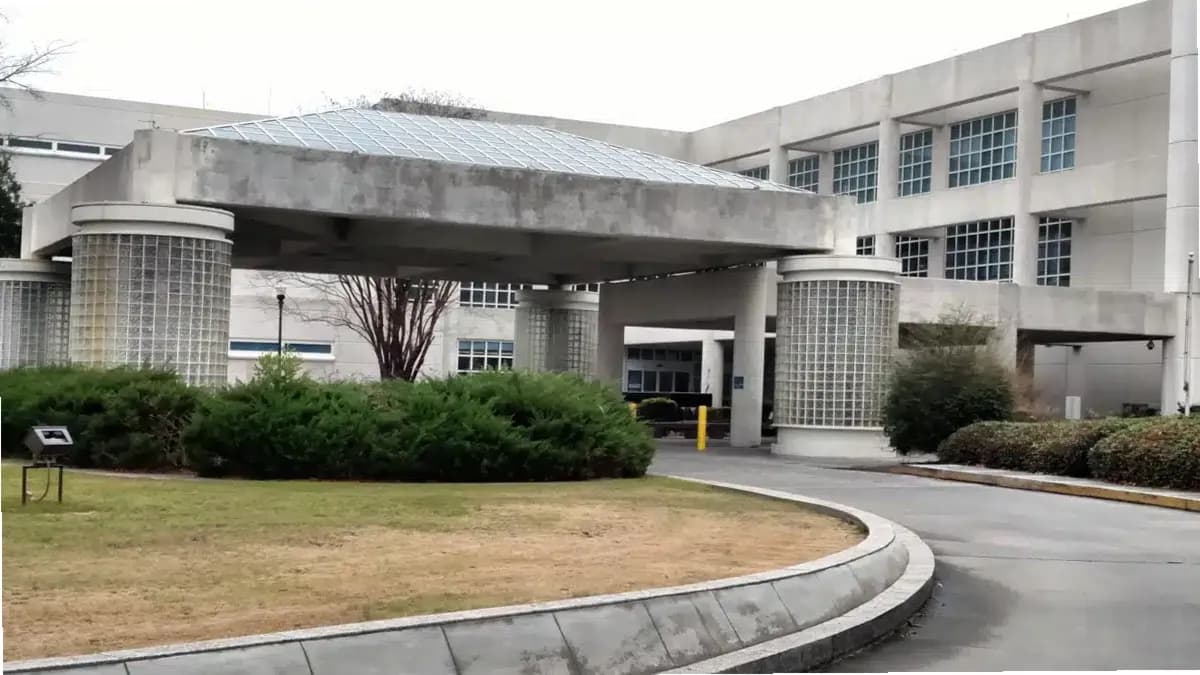
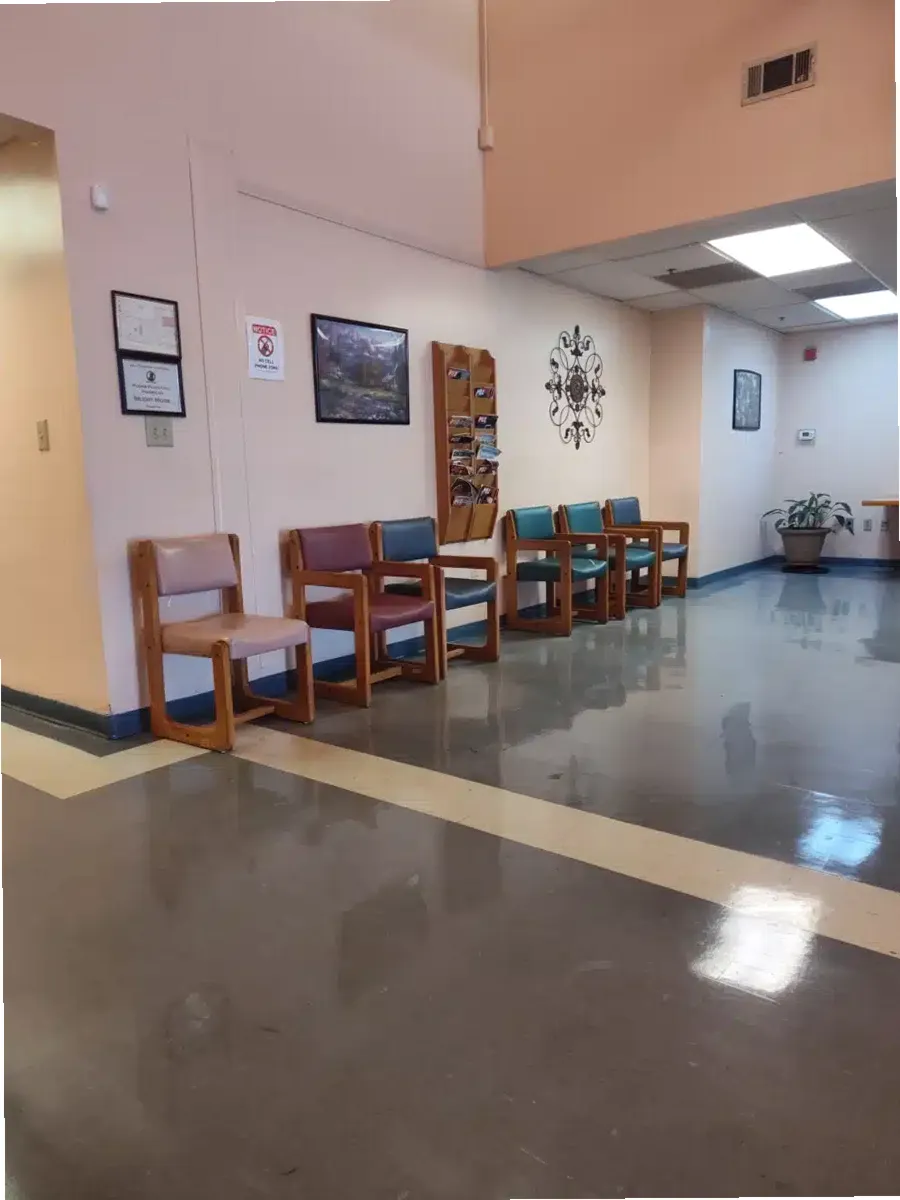

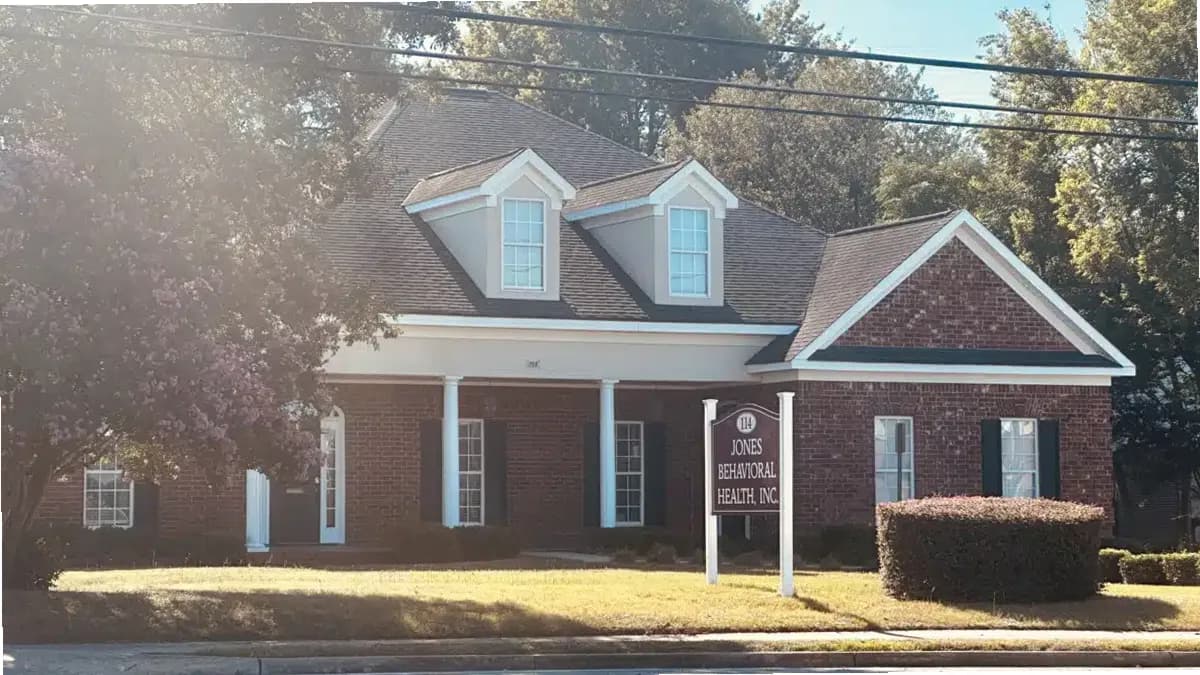
Roswell(5 centers)

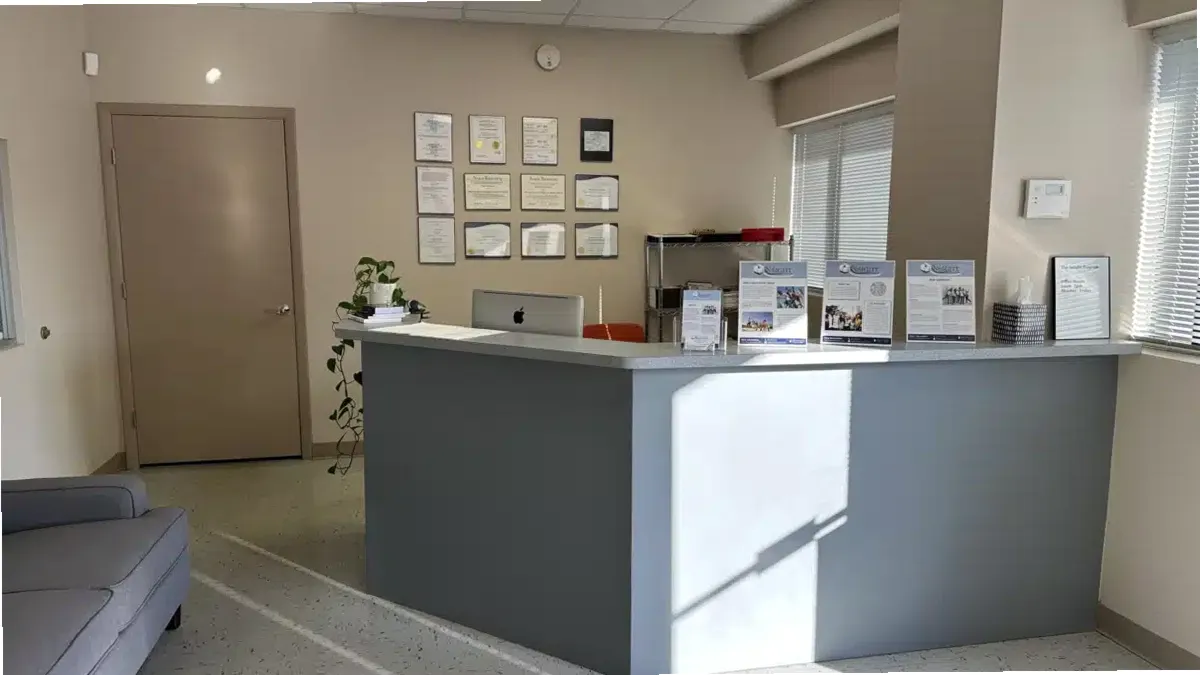
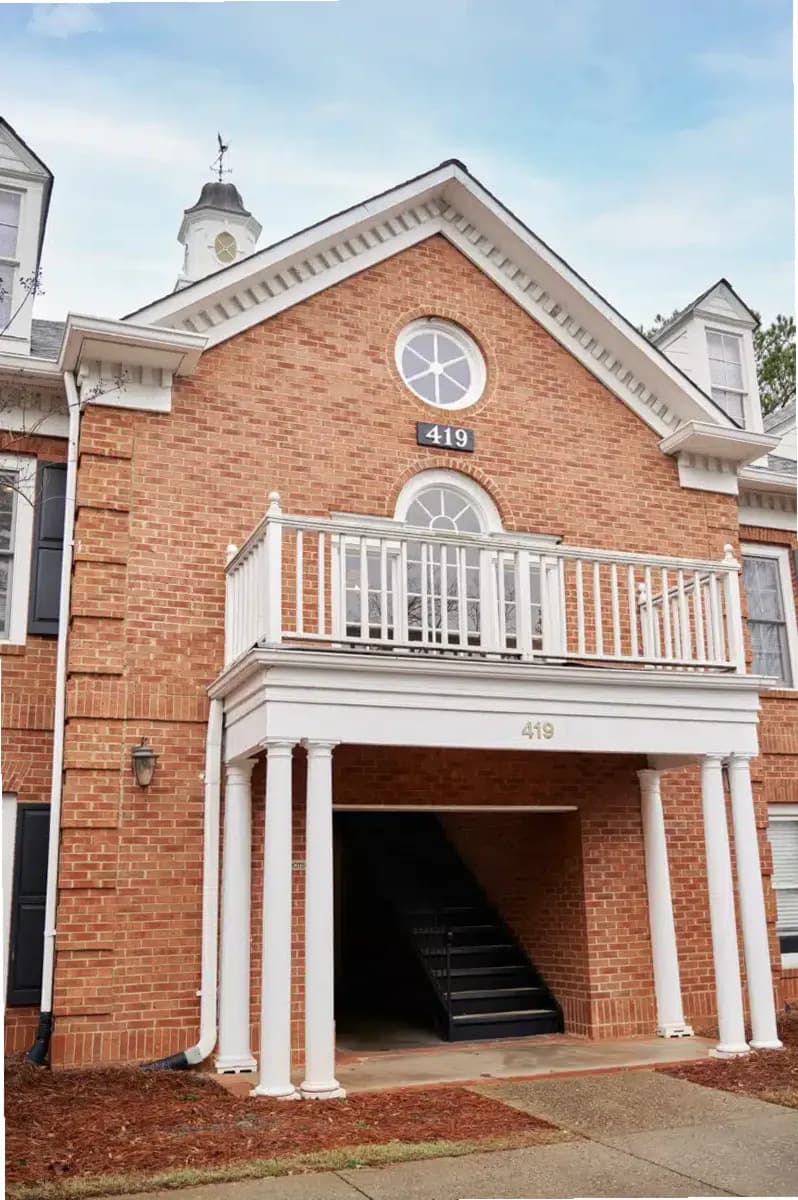
More Cities in Georgia
84 citiesSigns You May Need Help
Physical Signs
- Needing more of a substance to feel the same effect
- Withdrawal symptoms when not using
- Neglecting physical health and appearance
- Unexplained weight changes
- Sleep pattern disruptions
Behavioral Signs
- Failed attempts to cut down or stop using
- Spending increasing time obtaining, using, or recovering
- Withdrawing from family, friends, and activities
- Continuing use despite negative consequences
- Loss of interest in hobbies and responsibilities
If you recognize these signs in yourself or a loved one, help is available. Call Georgia Crisis & Access Line (GCAL) at 1-800-715-4225 — 24/7, free, and confidential.
Addiction Treatment in Georgia
Atlanta drives Georgia's treatment infrastructure with the highest concentration of specialized addiction programs in the Southeast, including Emory University's addiction research center and a rapidly expanding network of MAT providers. Beyond Atlanta, Augusta offers military-connected treatment through proximity to Fort Eisenhower, Savannah provides coastal treatment settings with growing clinical resources, and Columbus serves the western Georgia corridor. Georgia has expanded peer recovery specialist programs statewide, and the GCAL crisis line dispatches mobile crisis teams to every county. The state's faith-based treatment tradition remains strong, with many programs now integrating evidence-based clinical approaches alongside spiritual support.
- Atlanta offers the Southeast's most diverse and sophisticated treatment options
- Emory University and Morehouse provide research-connected addiction treatment programs
- Strong faith-based programs now integrated with evidence-based clinical care
- Lower cost of living compared to Northeast facilities — residential treatment is significantly more affordable
- Growing peer recovery specialist network providing long-term community support
- GCAL crisis line offers 24/7 referrals and mobile crisis response in every county
Georgia Medicaid covers essential behavioral health services including substance abuse treatment. The state is actively working to expand coverage and access, and most private insurers — including Anthem Blue Cross Blue Shield, UnitedHealthcare, and Cigna — are accepted at facilities statewide. Many facilities offer sliding-scale fees, and the Georgia Council on Substance Abuse can help identify financial assistance options.
Types of Treatment Available in Georgia
| Level | Duration | Setting | Intensity | Cost | Best For |
|---|---|---|---|---|---|
| Medical Detox | 3–7 days | Hospital / Clinic | 24/7 medical | $$$$ | Severe withdrawal, safety |
| Residential | 30–90 days | Live-in facility | Full-time | $$$$ | Serious addiction, structure |
| PHP | 4–6 weeks | Day program | 5–7 hrs/day | $$$ | Step-down, medical needs |
| IOP | 2–4 months | Outpatient center | 3–4 hrs, 3–5x/week | $$ | Working adults, families |
| Outpatient | 3–12 months | Office / Telehealth | 1–2 hrs, 1–2x/week | $ | Maintenance, mild cases |
| Sober Living | 3–12 months | Group housing | Peer support | $$ | Transition, structure |
Medical Detox
$$$$Residential
$$$$PHP
$$$IOP
$$Outpatient
$Sober Living
$$Expert Tips for Georgia
Atlanta's aftercare and sober living options are excellent — plan your post-treatment support early to maximize long-term recovery success.
Emory University's addiction research center offers advanced treatment approaches — ask about research-connected programs if standard treatment hasn't worked.
The Georgia Crisis & Access Line (1-800-715-4225) is your best first call — they provide free assessments and know which facilities have open beds.
Faith-based treatment is a genuine strength in Georgia, and many programs now integrate clinical evidence alongside spiritual support.
If you're in rural Georgia, ask about telehealth options — many Atlanta-based programs offer virtual counseling and MAT management.
Veterans and military families near Fort Eisenhower (Augusta) have access to specialized military-connected treatment programs.
Official state resources and organizations providing addiction treatment support in Georgia.
Georgia Department of Behavioral Health and Developmental Disabilities (DBHDD)
State agency managing substance abuse treatment services, provider networks, and treatment funding
1-800-715-4225Georgia Crisis & Access Line (GCAL)
24/7 crisis intervention, treatment referrals, and mobile crisis team dispatch statewide
1-800-715-4225National Resources
Federal resources and hotlines available 24/7 for addiction support.
Free, confidential, 24/7, 365-day-a-year treatment referral and information service
Find treatment facilities in your area
Provides 24/7 free and confidential support for people in distress
Research and information on drug use and addiction
Frequently Asked Questions
This website provides general information about addiction treatment centers. It is not a substitute for professional medical advice, diagnosis, or treatment. If you're in crisis, call 988 (Suicide & Crisis Lifeline) or 911. For help finding treatment, call SAMHSA at 1-800-662-4357 — free, confidential, 24/7.
Information sourced from SAMHSA Treatment Locator, state licensing records, and facility submissions.