
Drug & Alcohol Rehab Centers in North Carolina
North Carolina offers one of the most diverse treatment landscapes in the Southeast — from the Research Triangle's world-class clinical programs connected to Duke and UNC, to Asheville's nationally recognized holistic treatment community, to serene Blue Ridge Mountain residential centers. With over 520 licensed facilities, North Carolina blends academic medical excellence with holistic healing traditions and mountain wilderness therapy in ways few states can match. Whether you're drawn to evidence-based clinical rigor or yoga-and-meditation-centered recovery, North Carolina has a program aligned with your approach to healing.
Source: CDC WONDER, SAMHSA NSDUH (2024)
Explore Treatment Centers in North Carolina
Browse 402 treatment facilities across North Carolina on the interactive map
Fetching treatment centers...
Need Help Finding the Right Treatment?
Browse our directory or call to discuss treatment options.
How to Get Started in North Carolina
Call for Help
Call HOPE4NC Helpline at 1-855-587-3463 for a free, confidential conversation about your options.
Get Assessed
A counselor will evaluate your situation and recommend the right level of care. NC Medicaid can help with referrals.
Verify Coverage
Check your insurance benefits before starting. NC Medicaid covers substance abuse treatment including detox, residential, PHP, IOP, outpatient, and MAT services.
Begin Treatment
Choose from 520 licensed facilities across North Carolina and start your recovery journey.
All Treatment Centers in North Carolina
Browse and filter facilities
Rehab Centers in Charlotte
21 Treatment Centers
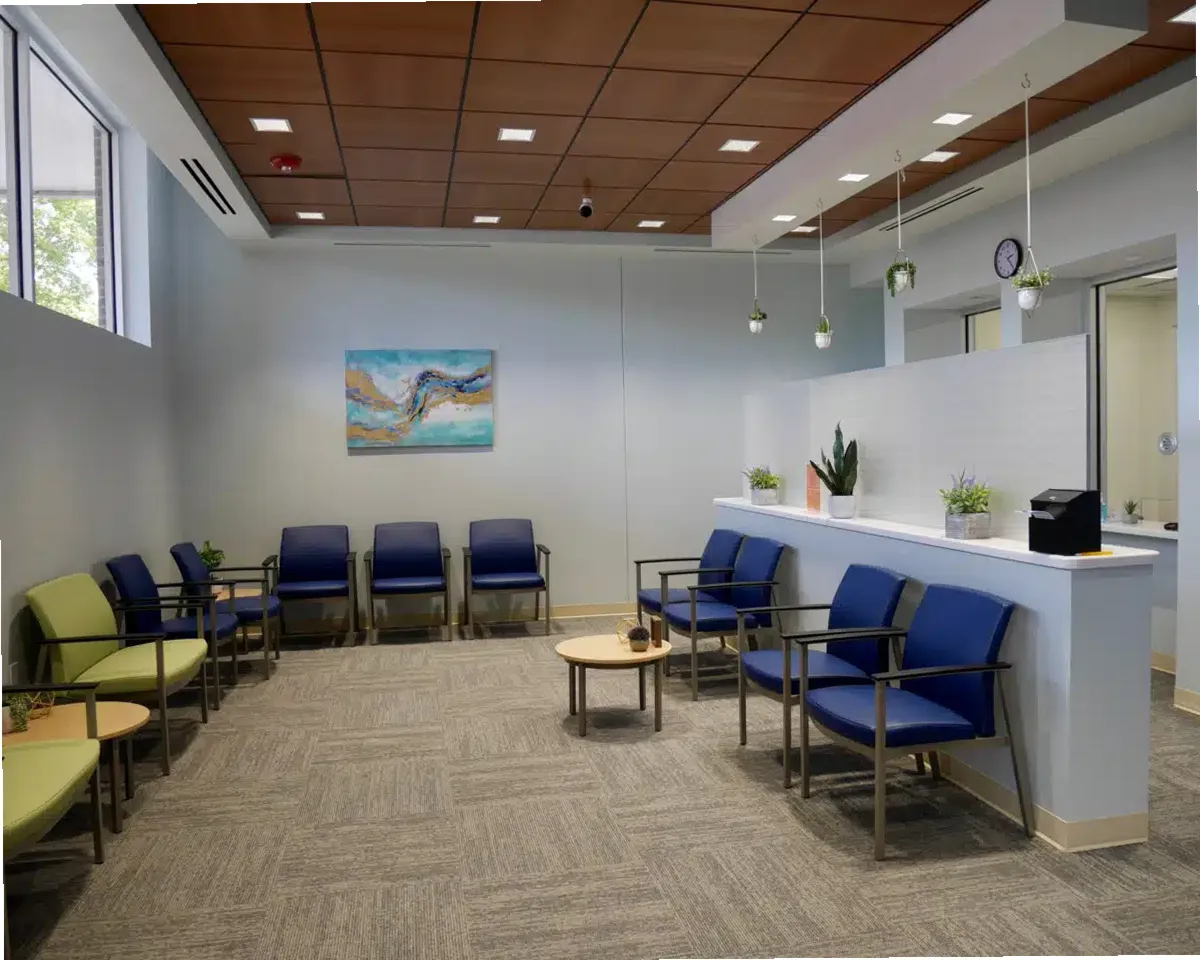
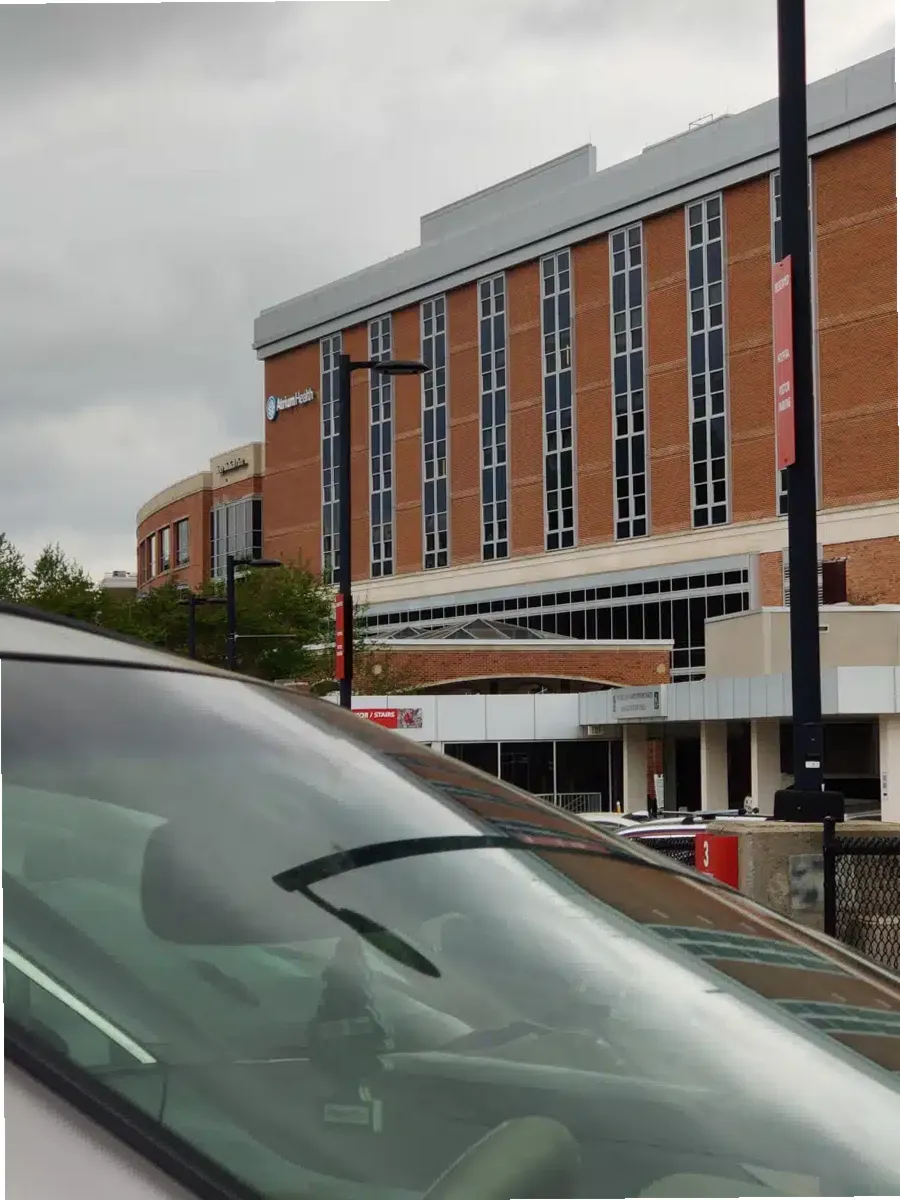
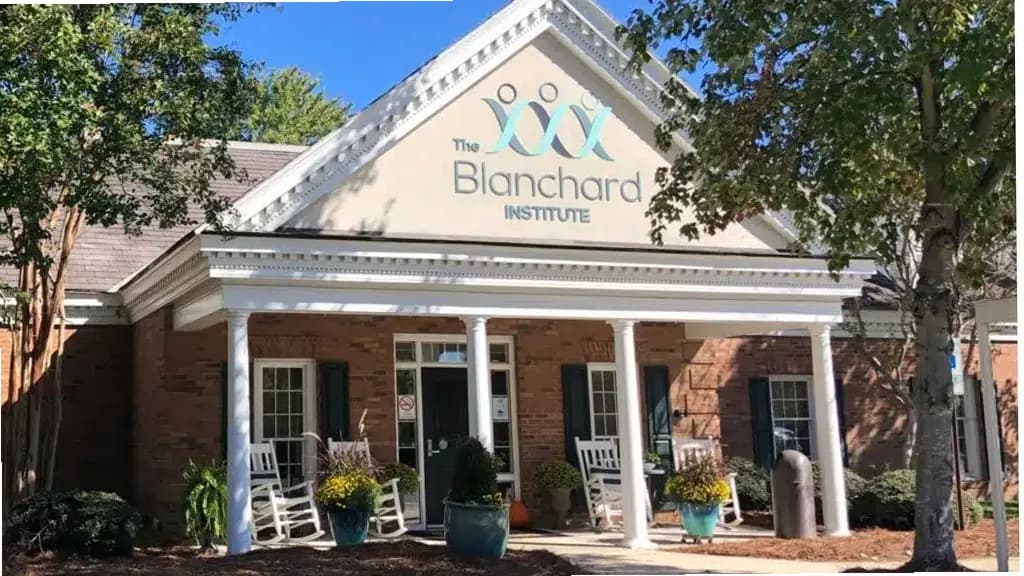
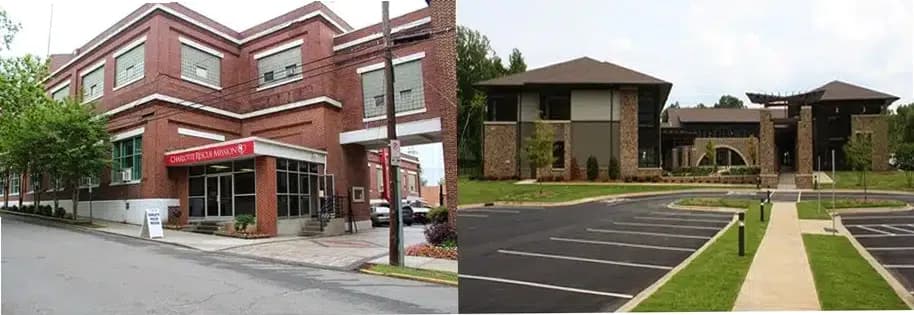
Charlotte offers diverse addiction treatment in North Carolina's largest city, with a rapidly expanding treatment market and strong medical infrastructure including Atrium Health's behavioral health services. The city provides everything from hospital-based medical detox to community treatment centers and sober living, and its growing metro population has driven investment in specialized programs for professionals, young adults, and families. Charlotte's treatment costs are notably lower than Asheville destination programs while offering comparable clinical quality.
Rehab Centers in Raleigh
18 Treatment Centers
Raleigh provides treatment at the heart of North Carolina's Research Triangle, with connections to state addiction services and proximity to both Duke and UNC research programs. The city offers evidence-based programs benefiting from the Triangle's academic medical culture, and its state-capital status means direct access to NC behavioral health resources and Medicaid coordination. Raleigh's growing tech-professional community has driven development of treatment programs tailored to working adults.

Rehab Centers in Fayetteville
17 Treatment Centers
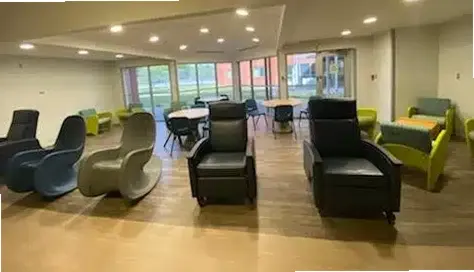
Cumberland Recovery Response Center
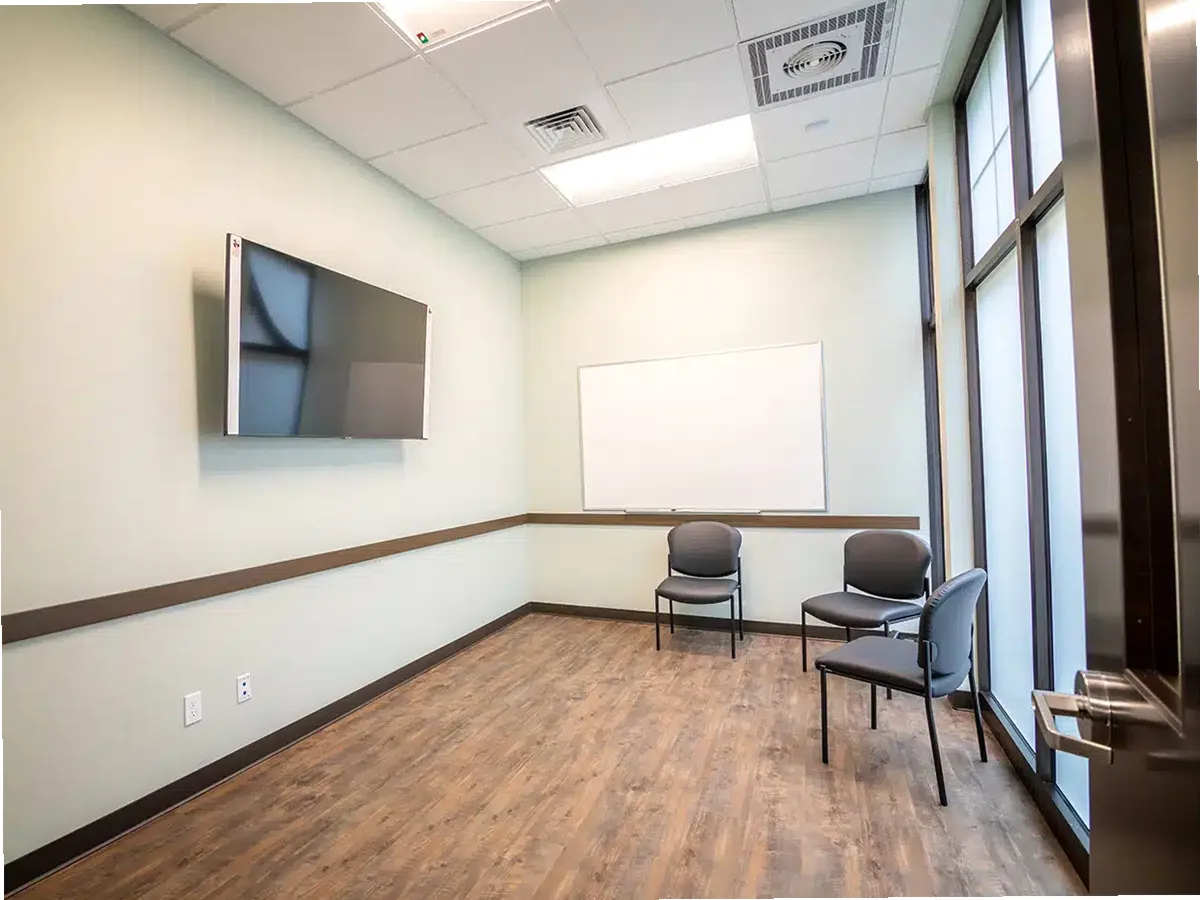
Fayetteville Comprehensive Trt Center
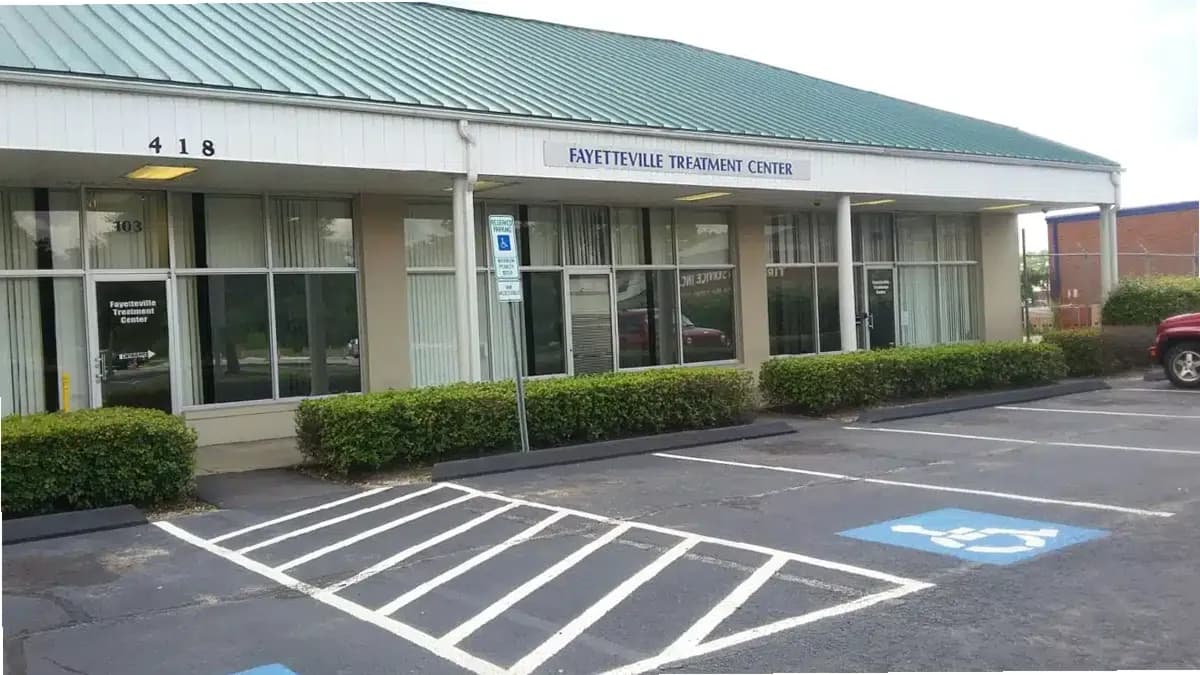
Fayetteville Treatment Center
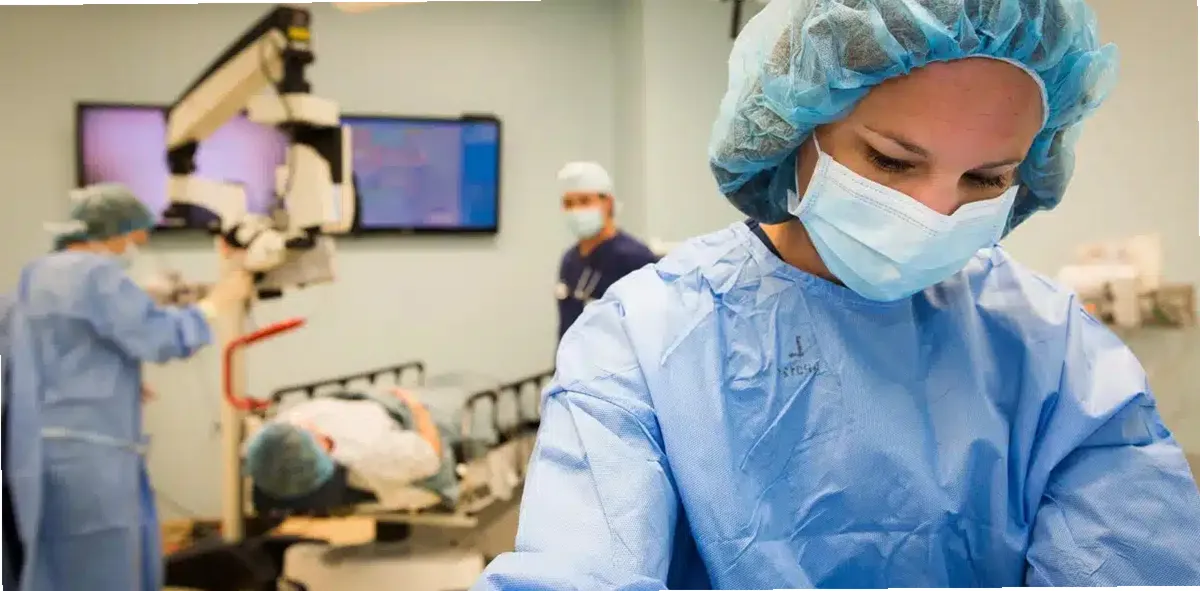
Life Net Services LLC
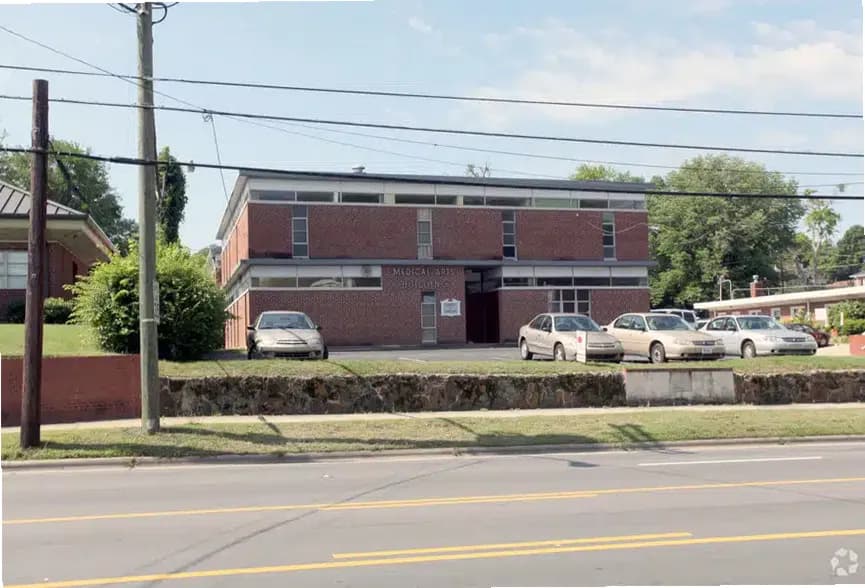
Better Beginnings Healthcare Solutions
Rehab Centers in Greensboro
16 Treatment Centers
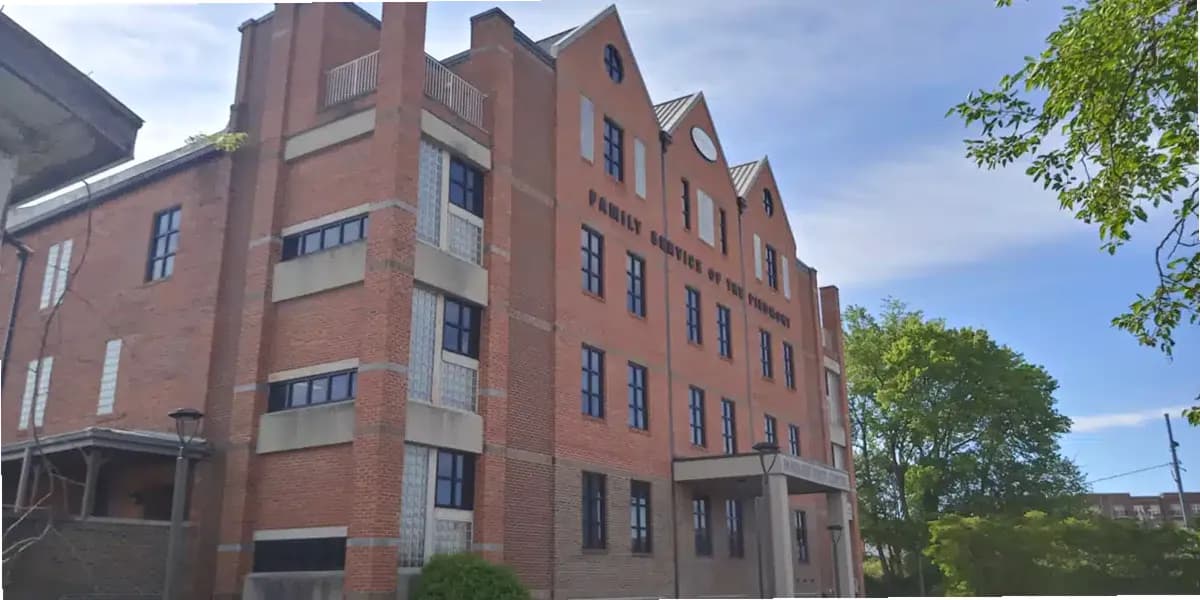
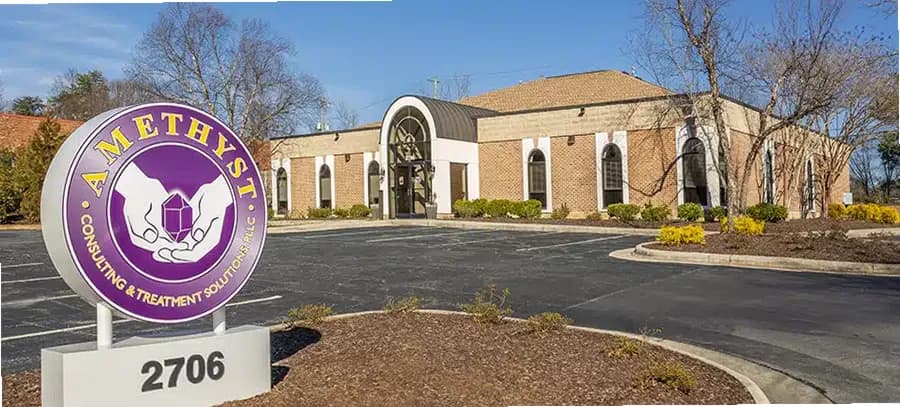
Greensboro provides accessible treatment serving the Piedmont Triad region with diverse community-based programs and strong connections to statewide recovery resources. The city offers affordable treatment options that serve as a practical alternative to destination programs, and its central North Carolina location makes it accessible from across the state. Greensboro's recovery community is active and growing, with peer support groups and sober activities.
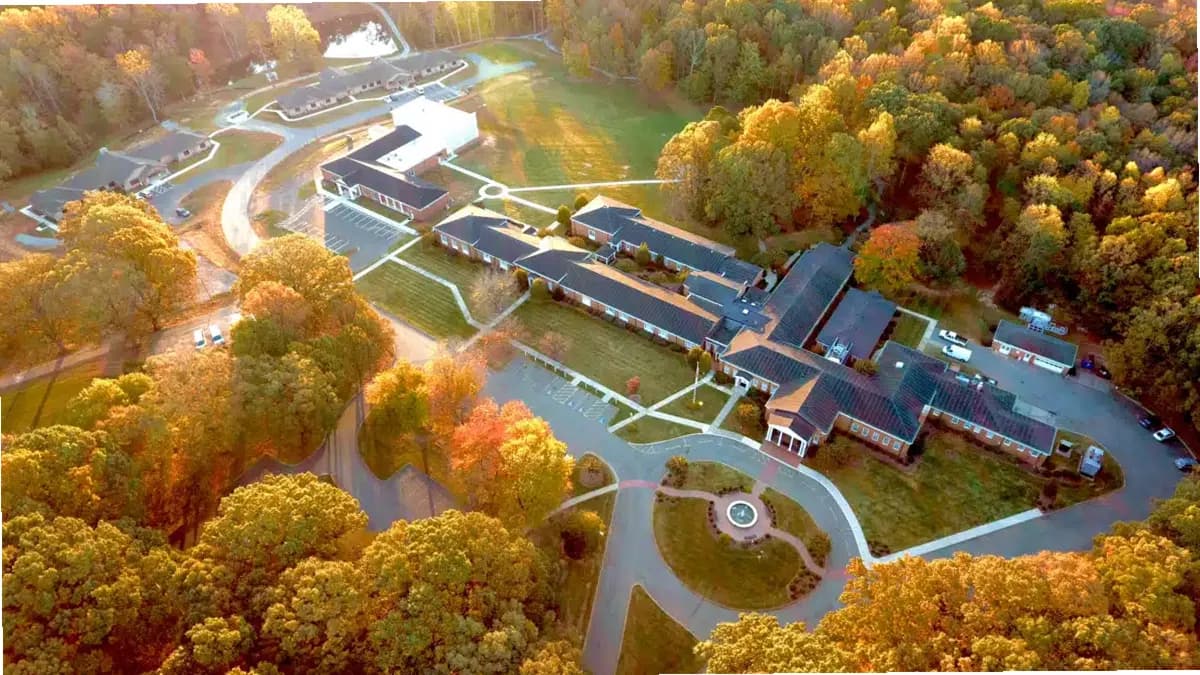
Rehab Centers in Asheville
16 Treatment Centers
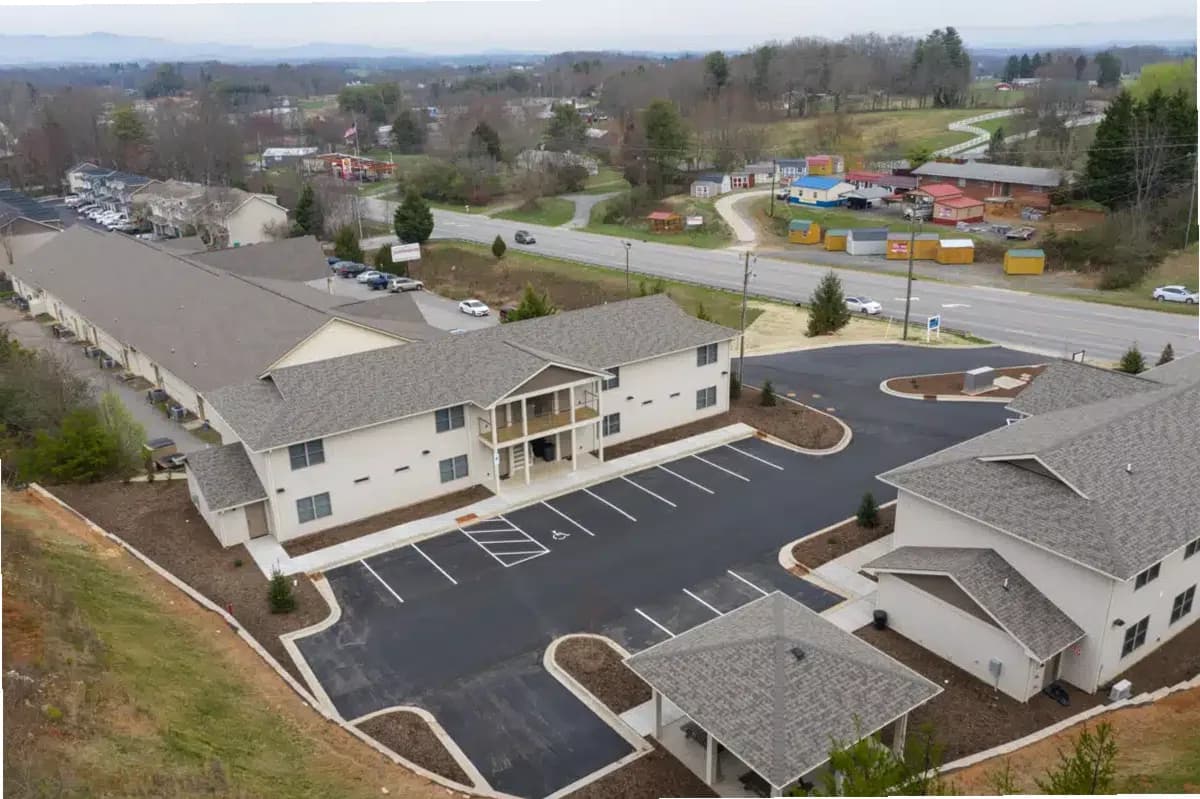
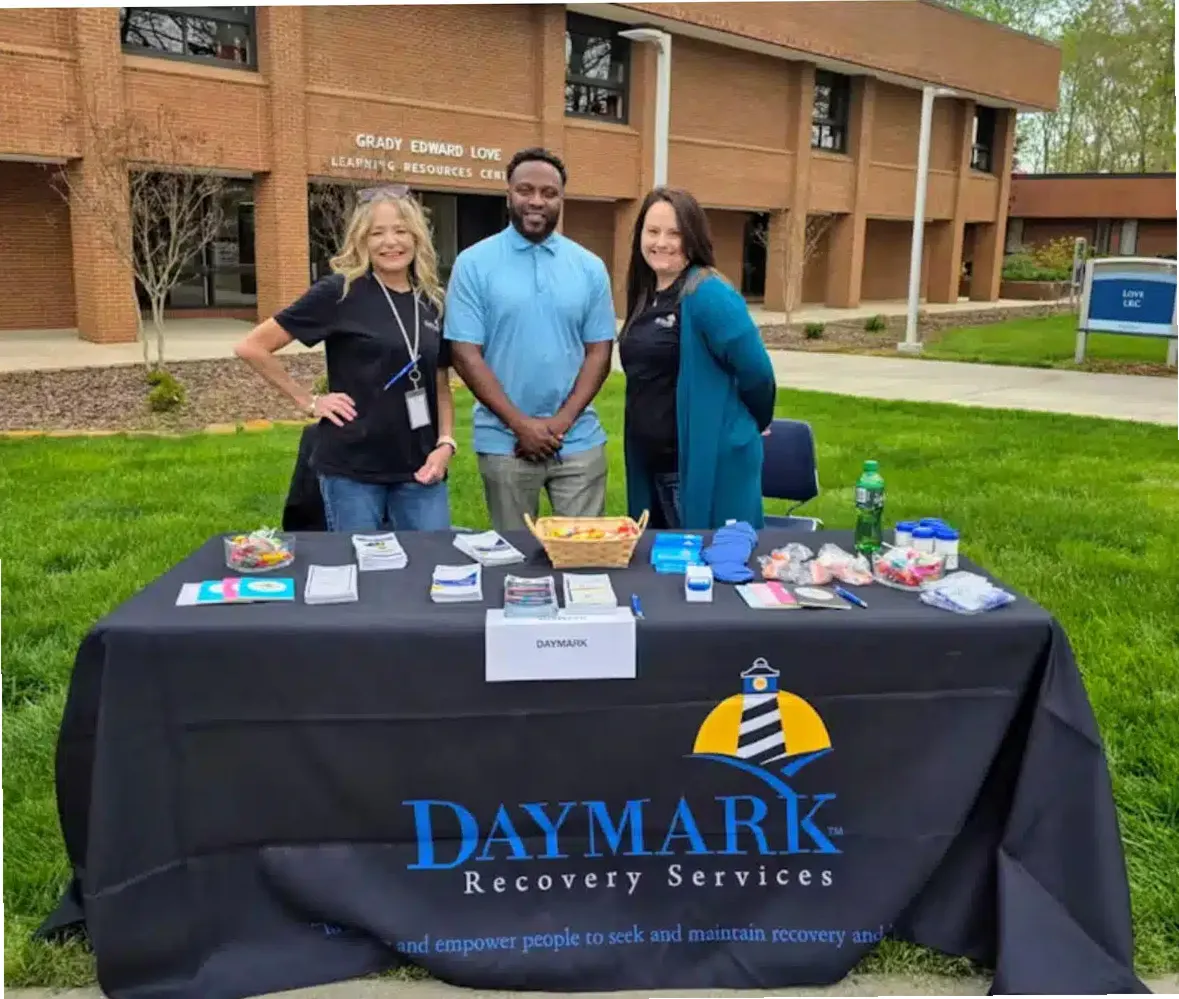
Jacksonville(7 centers)
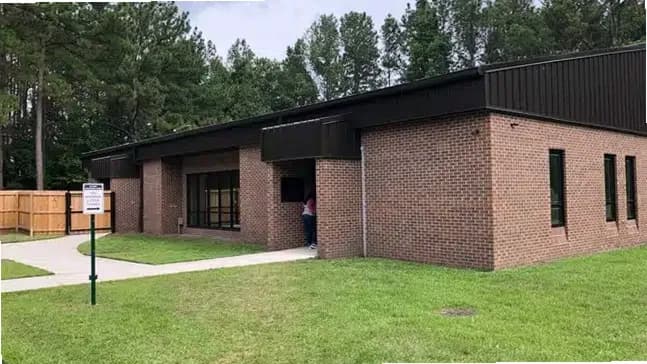
Goldsboro(7 centers)

Concord(6 centers)
Morehead City(6 centers)


Reidsville(5 centers)
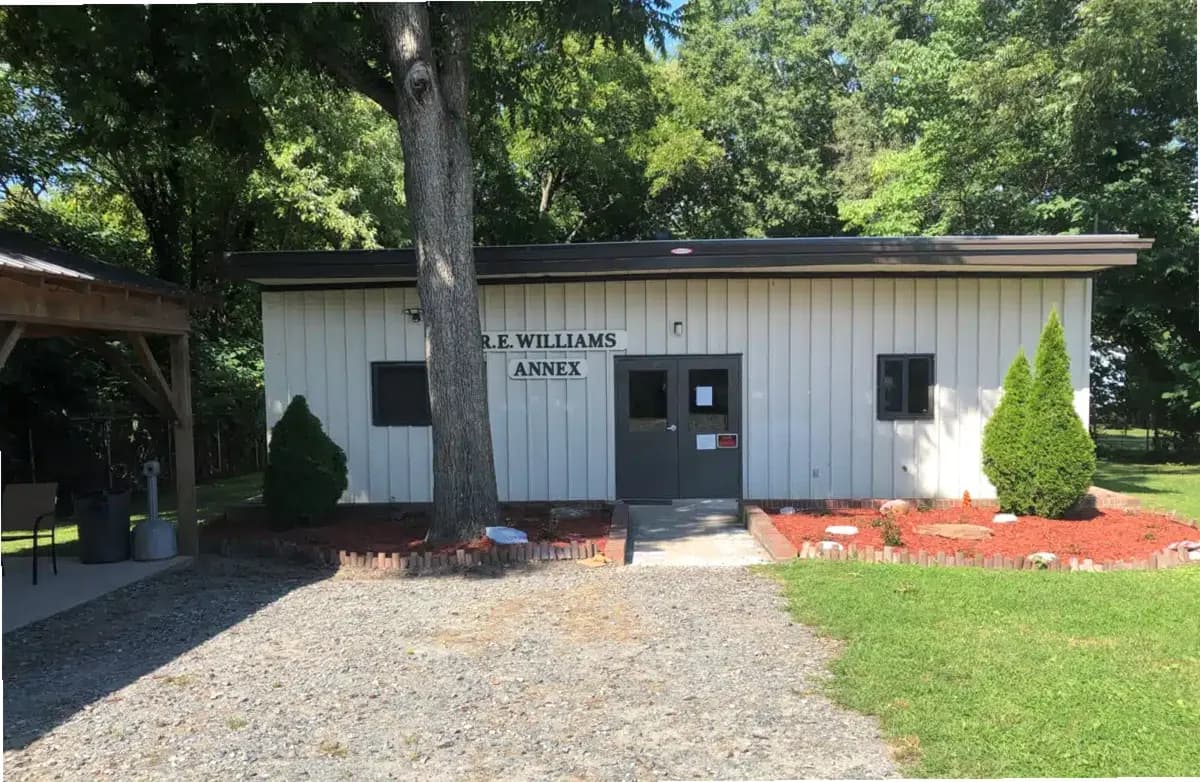
Morganton(5 centers)
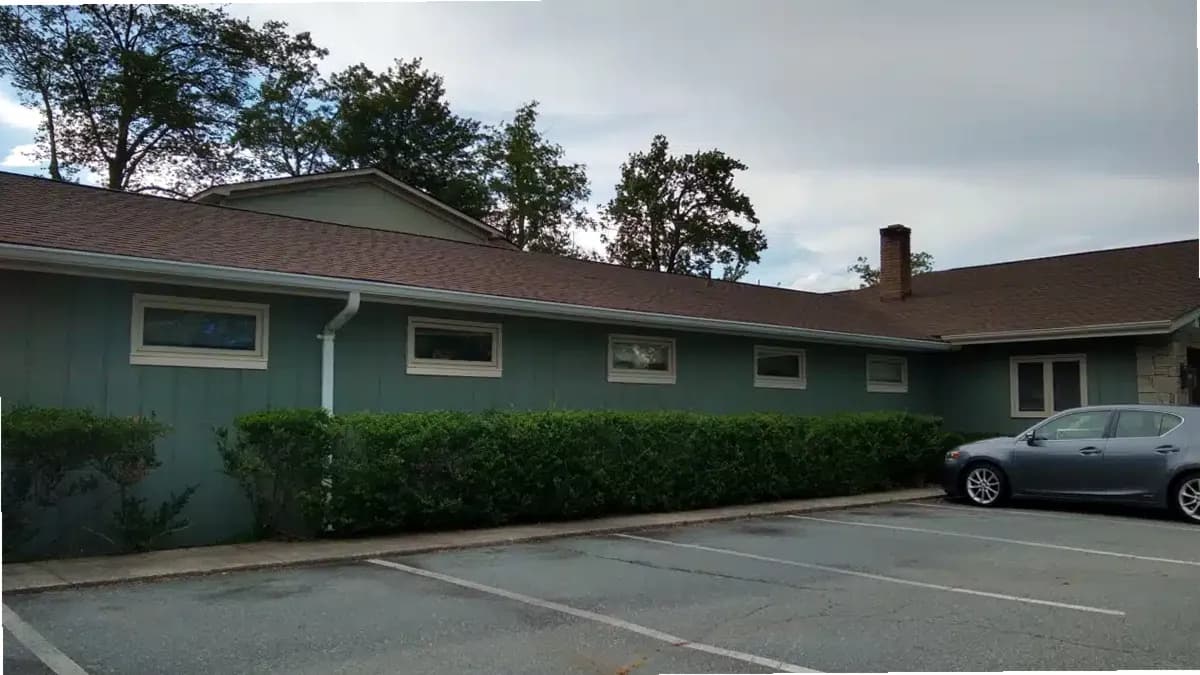
Wilson(5 centers)

Salisbury(5 centers)

Shelby(5 centers)
Hickory(5 centers)
More Cities in North Carolina
127 citiesSigns You May Need Help
Physical Signs
- Needing more of a substance to feel the same effect
- Withdrawal symptoms when not using
- Neglecting physical health and appearance
- Unexplained weight changes
- Sleep pattern disruptions
Behavioral Signs
- Failed attempts to cut down or stop using
- Spending increasing time obtaining, using, or recovering
- Withdrawing from family, friends, and activities
- Continuing use despite negative consequences
- Loss of interest in hobbies and responsibilities
If you recognize these signs in yourself or a loved one, help is available. Call HOPE4NC Helpline at 1-855-587-3463 — 24/7, free, and confidential.
Addiction Treatment in North Carolina
North Carolina's treatment ecosystem spans three distinct corridors: the Research Triangle (Raleigh-Durham-Chapel Hill) offers Duke and UNC-connected clinical programs with access to cutting-edge addiction research and clinical trials; Charlotte anchors the state's largest urban treatment market with diverse options serving the growing metro area; and Asheville has emerged as a national destination for holistic addiction treatment, with programs featuring yoga, meditation, wilderness therapy, and nature-based healing in Blue Ridge Mountain settings. The state has expanded Medicaid coverage for behavioral health services, and UNC-trained peer support specialists provide community-based recovery mentoring statewide. NC's diverse geography means you can find treatment in virtually any setting — urban, suburban, mountain, or coastal.
- Asheville is a nationally recognized hub for holistic treatment — yoga, meditation, wilderness therapy, and nature-based healing
- Duke University and UNC offer research-connected addiction treatment programs and clinical trial access
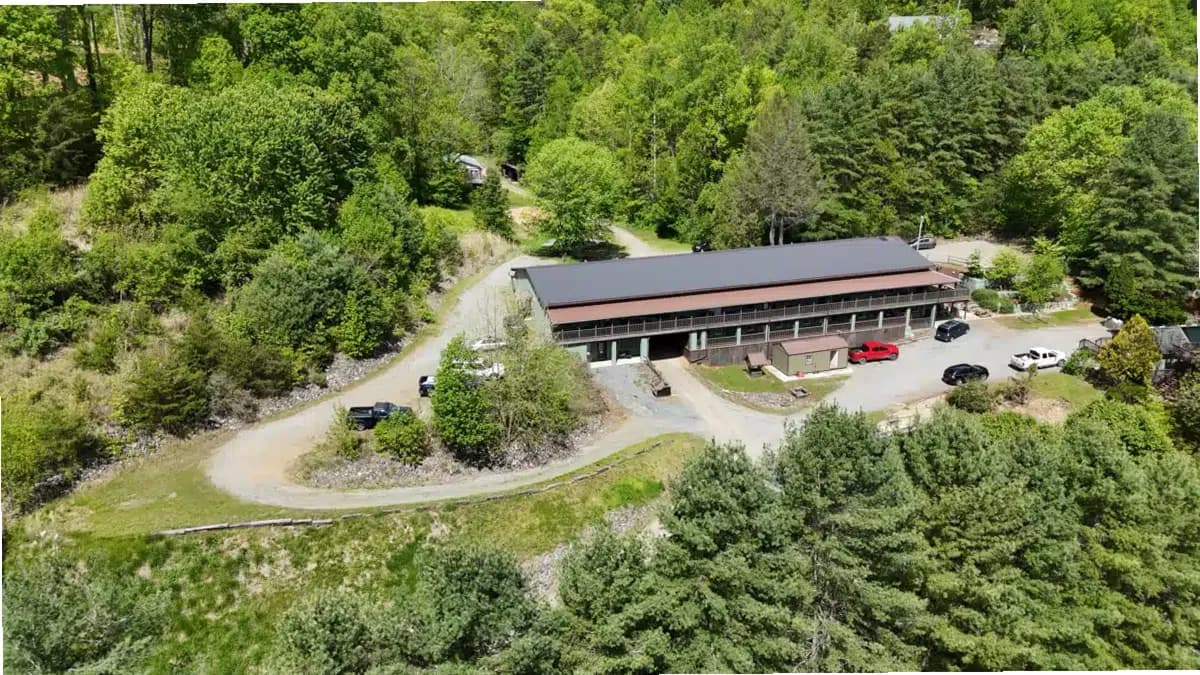
- Beautiful Blue Ridge Mountain settings for residential programs providing natural healing environments
- Diverse treatment philosophies available — evidence-based clinical, holistic, faith-based, and integrated approaches
- Charlotte and the Research Triangle offer sophisticated urban treatment options in growing metro areas
- UNC-trained peer support specialists provide long-term recovery mentoring in communities statewide
NC Medicaid covers substance abuse treatment including detox, residential, PHP, IOP, outpatient, and MAT services. North Carolina has expanded Medicaid behavioral health benefits, and most private insurers — including Blue Cross Blue Shield of North Carolina, UnitedHealthcare, and Cigna — are accepted statewide. Many Asheville-area holistic programs accept insurance alongside private pay options.
Types of Treatment Available in North Carolina
| Level | Duration | Setting | Intensity | Cost | Best For |
|---|---|---|---|---|---|
| Medical Detox | 3–7 days | Hospital / Clinic | 24/7 medical | $$$$ | Severe withdrawal, safety |
| Residential | 30–90 days | Live-in facility | Full-time | $$$$ | Serious addiction, structure |
| PHP | 4–6 weeks | Day program | 5–7 hrs/day | $$$ | Step-down, medical needs |
| IOP | 2–4 months | Outpatient center | 3–4 hrs, 3–5x/week | $$ | Working adults, families |
| Outpatient | 3–12 months | Office / Telehealth | 1–2 hrs, 1–2x/week | $ | Maintenance, mild cases |
| Sober Living | 3–12 months | Group housing | Peer support | $$ | Transition, structure |
Medical Detox
$$$$Residential
$$$$PHP
$$$IOP
$$Outpatient
$Sober Living
$$Expert Tips for North Carolina
Asheville has genuinely earned its reputation as a holistic treatment hub — if yoga, meditation, and nature-based therapy resonate with you, this is the premier destination in the Southeast.
The Research Triangle (Raleigh-Durham) offers access to Duke and UNC addiction research programs — ask about clinical trials if standard treatment hasn't been effective.
Blue Ridge Mountain residential programs provide complete immersion in nature, 2-3 hours from major cities — ideal for those needing distance from urban triggers.
Charlotte's treatment market has expanded rapidly and offers excellent programs at lower costs than Asheville destination programs.
HOPE4NC Helpline (1-855-587-3463) provides free assessments and knows which programs have immediate availability across the state.
UNC-trained peer support specialists are available in communities across NC — ask your treatment provider about connecting with one for post-treatment recovery support.
Official state resources and organizations providing addiction treatment support in North Carolina.
NC Division of Mental Health, Developmental Disabilities, and Substance Abuse Services
State agency coordinating substance abuse treatment services, provider networks, and community programs
1-800-662-7030HOPE4NC Helpline
24/7 mental health and substance use support line with free assessments and treatment referrals
1-855-587-3463National Resources
Federal resources and hotlines available 24/7 for addiction support.
Free, confidential, 24/7, 365-day-a-year treatment referral and information service
Find treatment facilities in your area
Provides 24/7 free and confidential support for people in distress
Research and information on drug use and addiction
Frequently Asked Questions
This website provides general information about addiction treatment centers. It is not a substitute for professional medical advice, diagnosis, or treatment. If you're in crisis, call 988 (Suicide & Crisis Lifeline) or 911. For help finding treatment, call SAMHSA at 1-800-662-4357 — free, confidential, 24/7.
Information sourced from SAMHSA Treatment Locator, state licensing records, and facility submissions.