
Drug & Alcohol Rehab Centers in Kentucky
Kentucky has transformed its approach to addiction treatment out of necessity — the state faced one of America's most devastating opioid epidemics and responded with innovation, urgency, and compassion. The pioneering hub-and-spoke MAT model now connects patients to medication-assisted treatment rapidly across the state, while the University of Kentucky's CENTER on Drug & Alcohol Research drives evidence-based approaches. From Louisville's diverse urban programs to Appalachian treatment centers that understand rural community challenges firsthand, Kentucky offers treatment shaped by frontline experience with addiction.
Source: CDC WONDER, SAMHSA NSDUH (2024)
Explore Treatment Centers in Kentucky
Browse 345 treatment facilities across Kentucky on the interactive map
Fetching treatment centers...
Need Help Finding the Right Treatment?
Browse our directory or call to discuss treatment options.
How to Get Started in Kentucky
Call for Help
Call KY HELP Call Center at 1-833-859-4357 for a free, confidential conversation about your options.
Get Assessed
A counselor will evaluate your situation and recommend the right level of care. Kentucky Medicaid can help with referrals.
Verify Coverage
Check your insurance benefits before starting. Kentucky Medicaid covers comprehensive substance abuse treatment including detox, residential, PHP, IOP, outpatient, MAT, and peer support services through managed care organizations.
Begin Treatment
Choose from 340 licensed facilities across Kentucky and start your recovery journey.
All Treatment Centers in Kentucky
Browse and filter facilities
Rehab Centers in Louisville
26 Treatment Centers
Louisville offers Kentucky's most diverse treatment options with strong connections to UofL medical resources and the state's innovative hub-and-spoke MAT model. As the state's largest city, Louisville has the highest concentration of specialized addiction programs, including comprehensive detox, residential treatment, and robust outpatient services. The city's diverse programs serve all populations, and Louisville's active recovery community provides strong peer support for sustained sobriety.
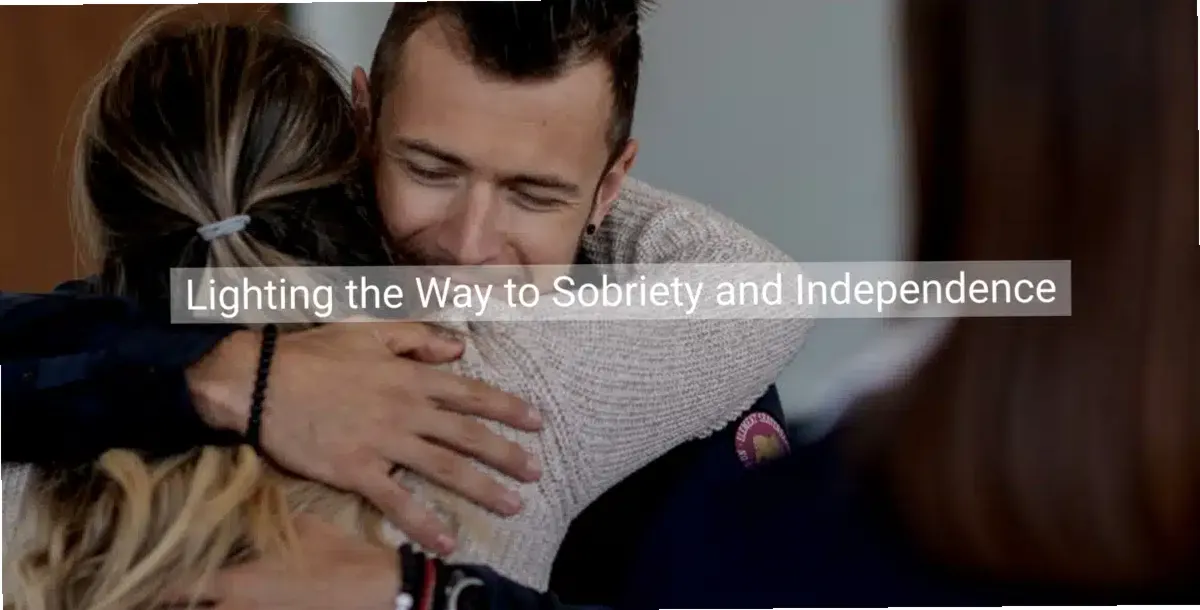
Beacon House Aftercare Program Inc
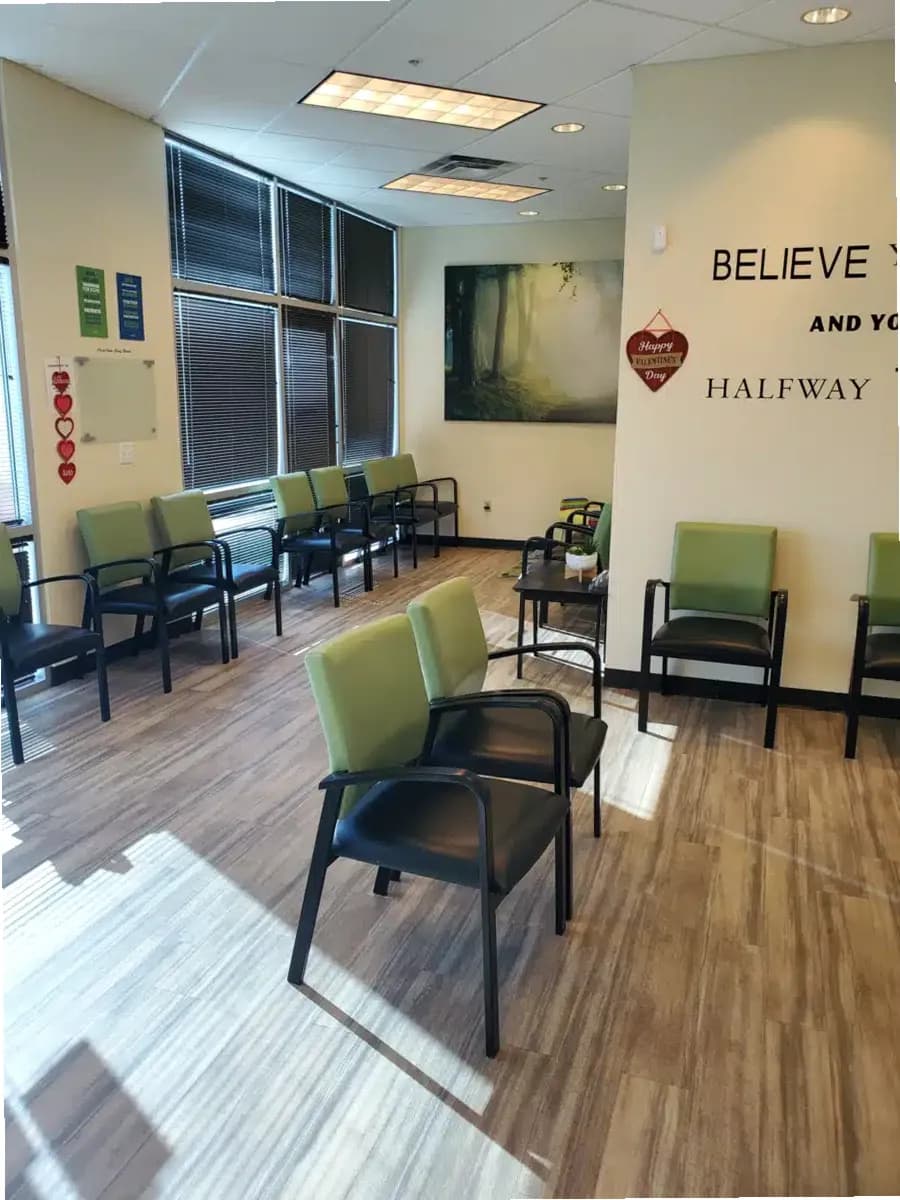
CleanSlate Centers
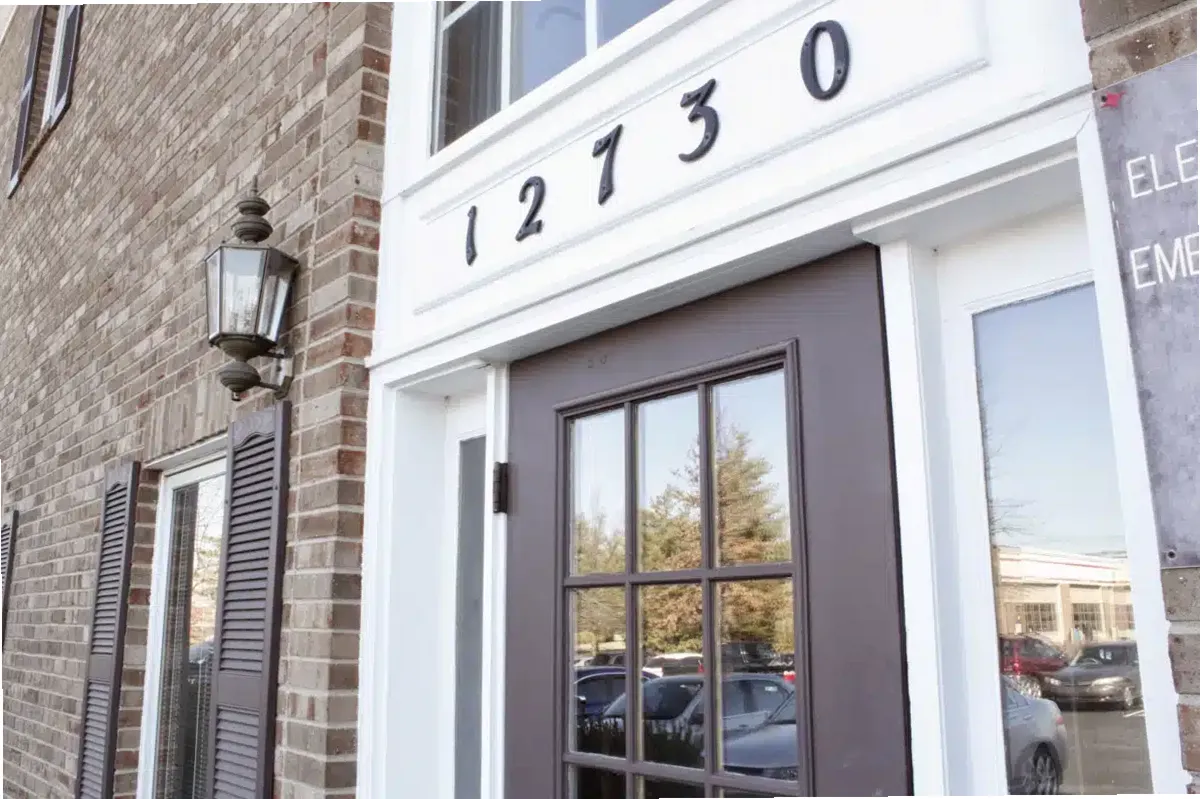
Creative Spirits Behav Service Network
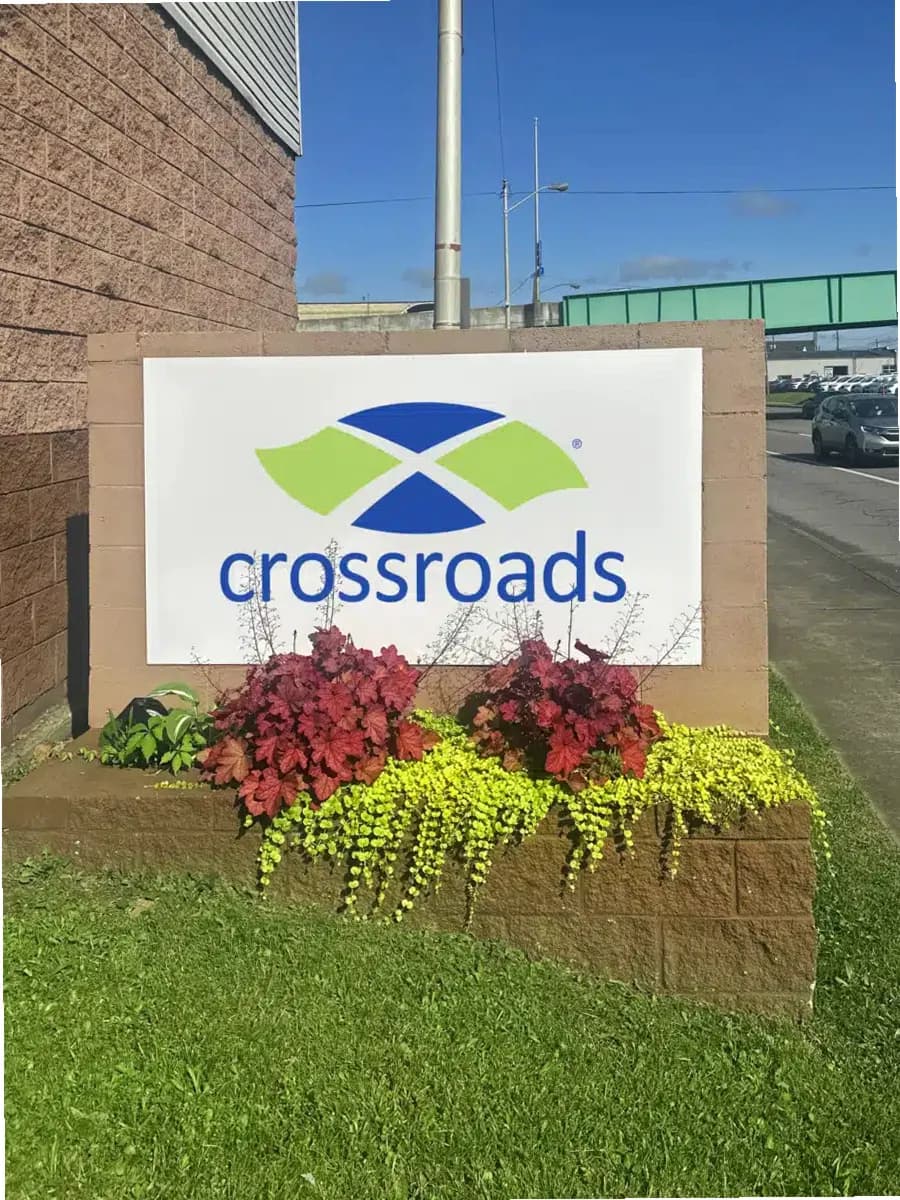
Crossroads Treatment Centers

Addiction Recovery Care (ARC)
Rehab Centers in Lexington
23 Treatment Centers
Lexington provides treatment connected to the University of Kentucky's nationally recognized CENTER on Drug & Alcohol Research, offering access to evidence-based innovations and clinical trial participation. The city serves as a treatment hub for central Kentucky with strong outpatient programs and MAT access, and the university connection means providers are trained in the latest addiction medicine approaches. Lexington's college-town atmosphere supports an active young-adult recovery community.

Rehab Centers in Bowling Green
12 Treatment Centers
Bowling Green offers accessible treatment serving south-central Kentucky with community-based programs, growing recovery resources, and affordable care. The city provides outpatient and residential options serving the region, and its programs understand the specific challenges of smaller-city recovery including limited anonymity and transportation barriers. Bowling Green's faith-based and peer support networks offer genuine community for those in recovery.



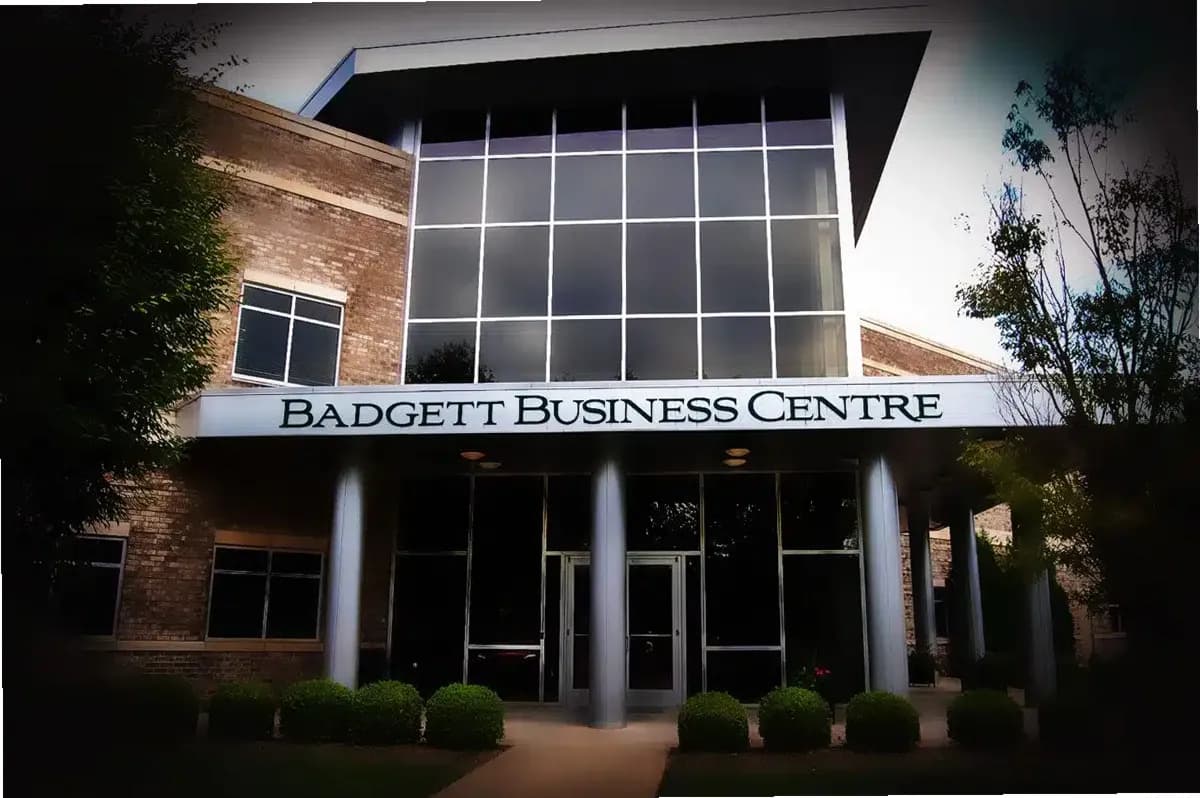
Rehab Centers in Morehead
10 Treatment Centers

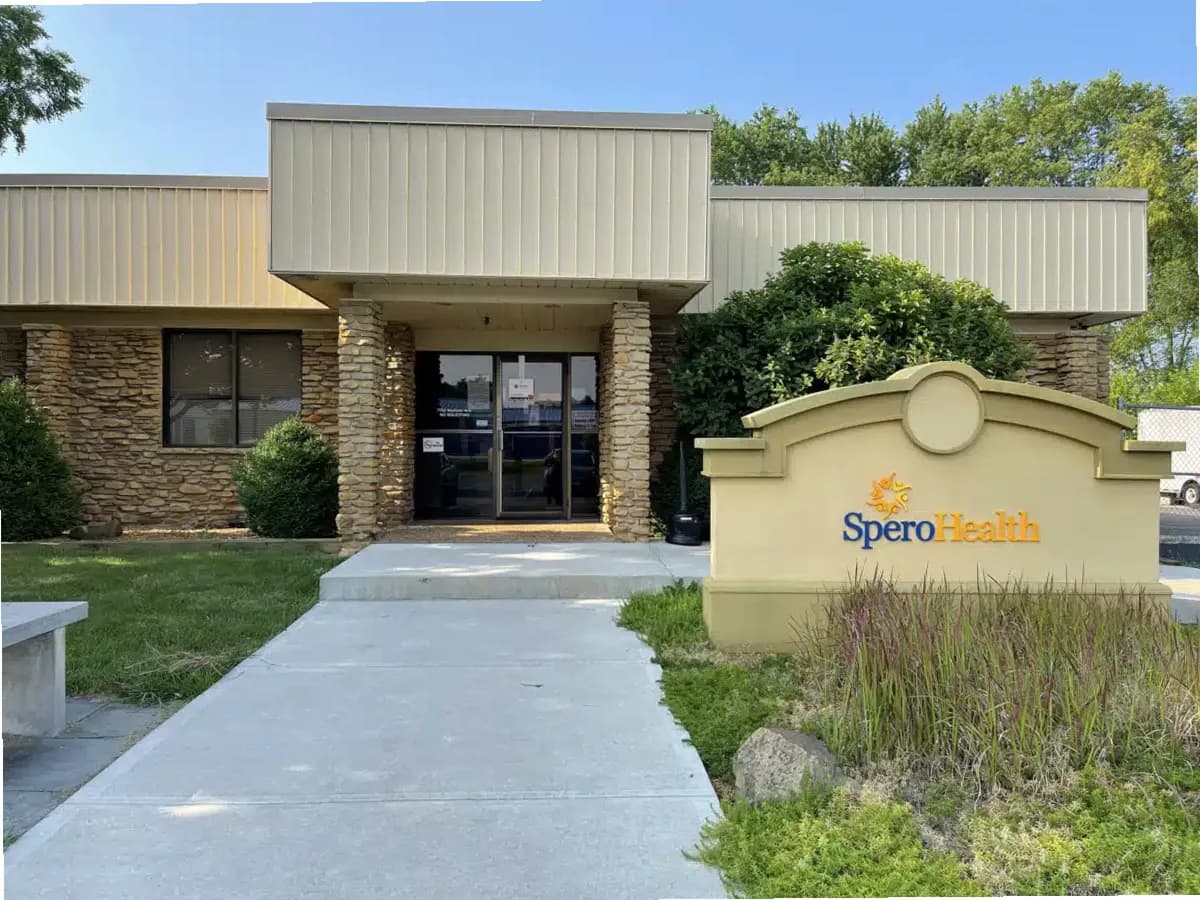
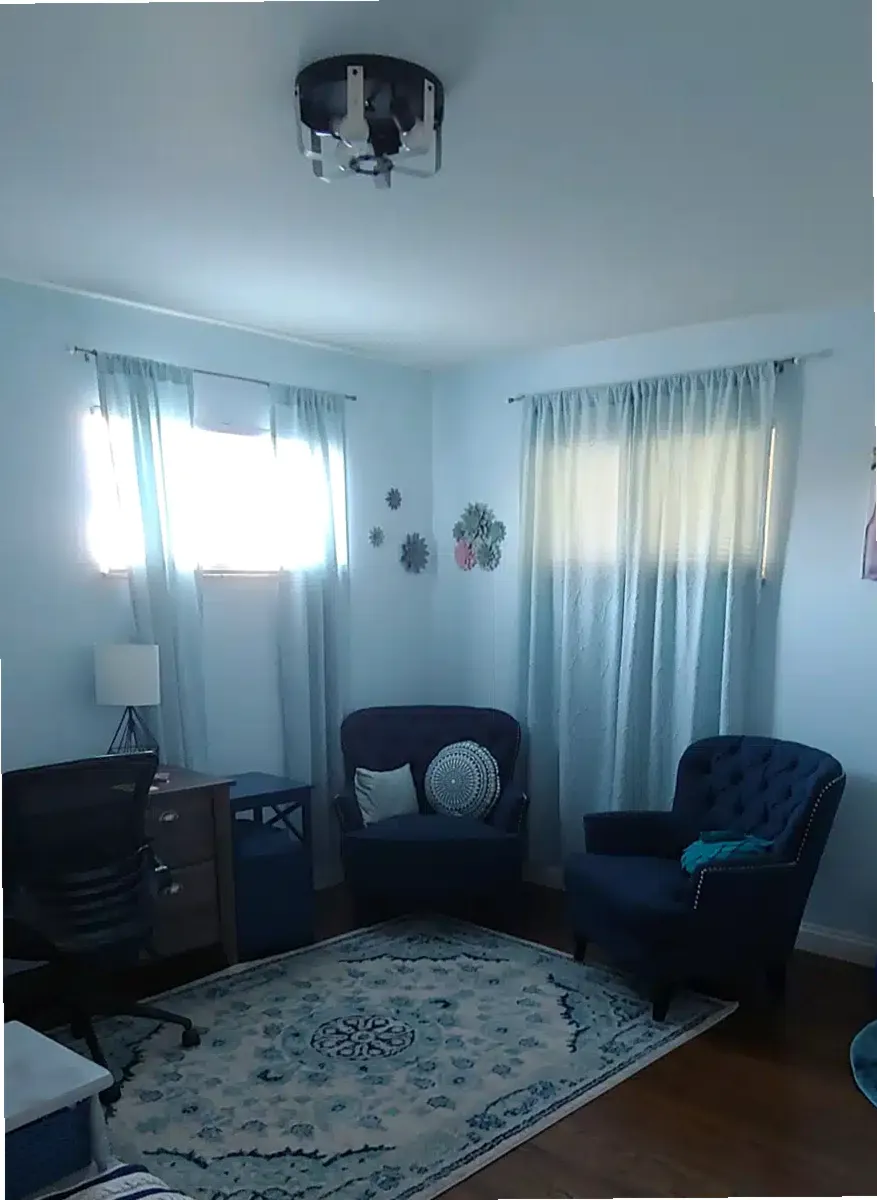
Rehab Centers in Elizabethtown
10 Treatment Centers
Ashland(8 centers)

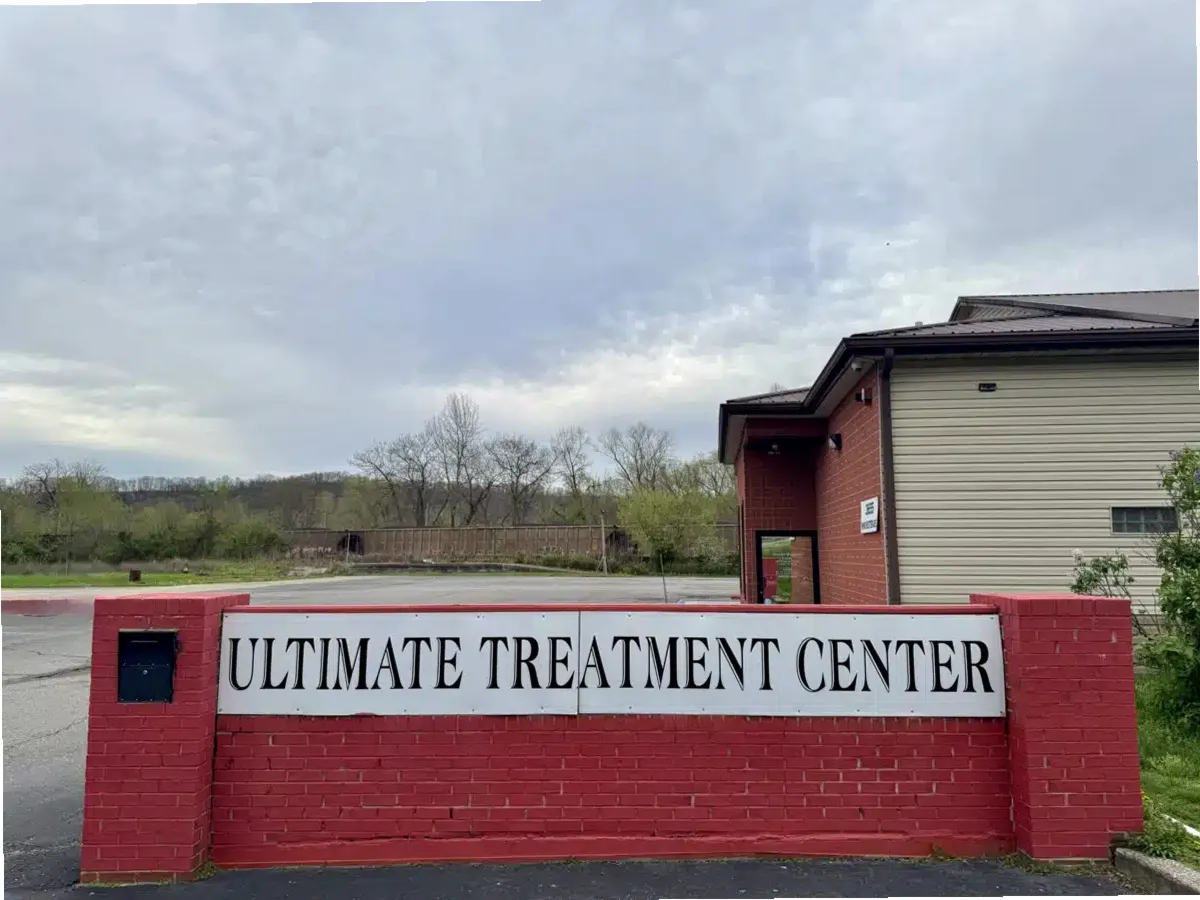

Owensboro(8 centers)

Frankfort(7 centers)


Paducah(7 centers)
Somerset(5 centers)
Henderson(5 centers)
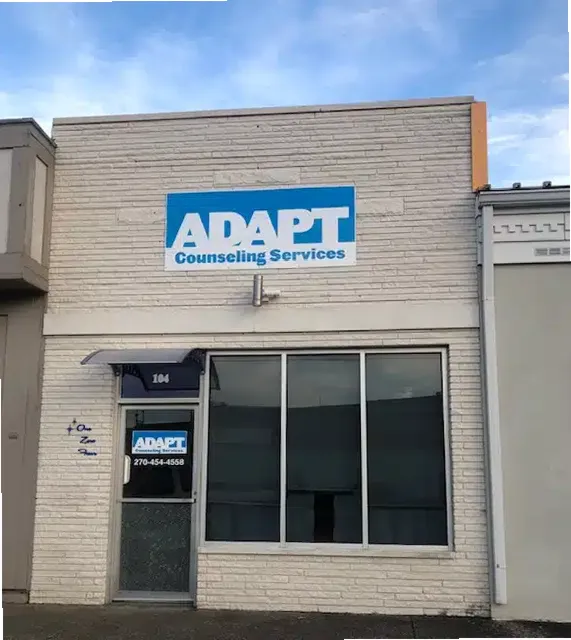
Florence(5 centers)
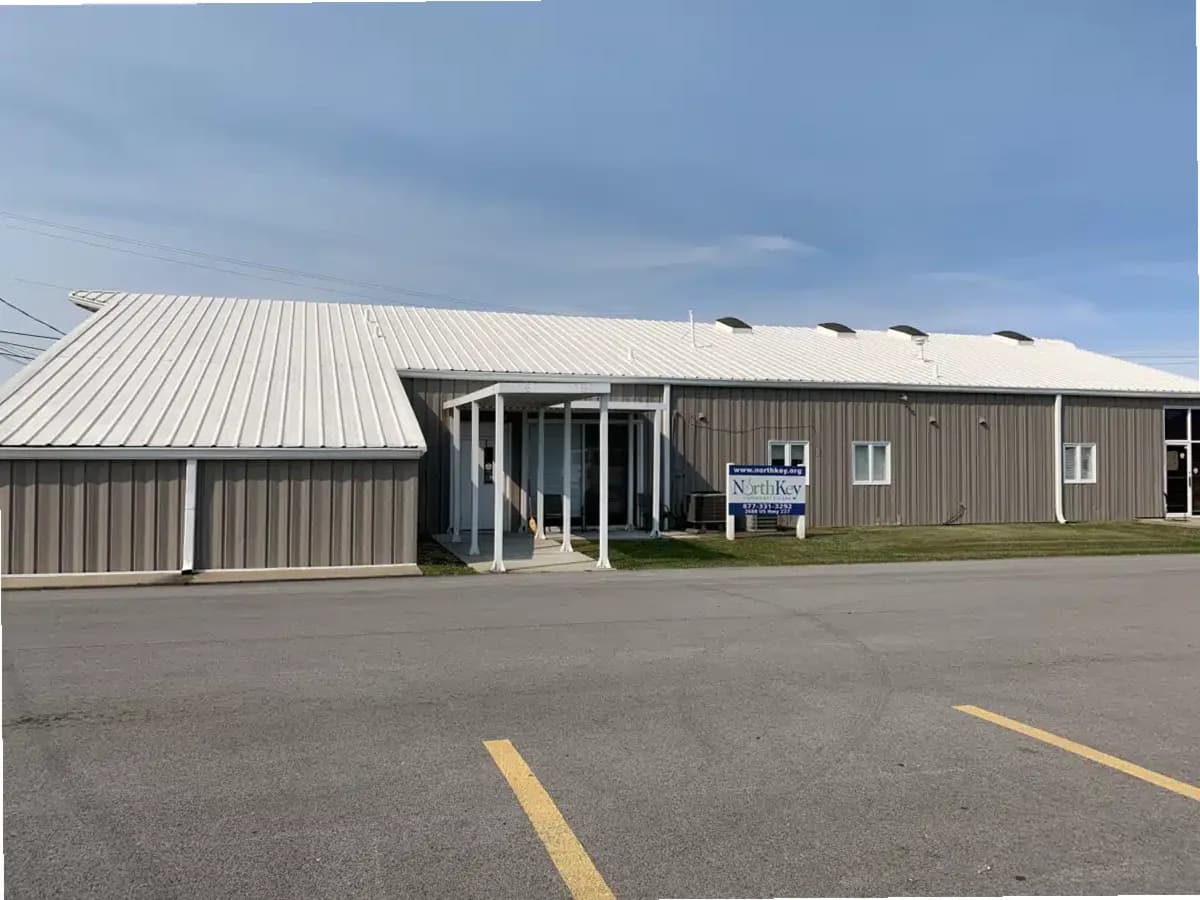
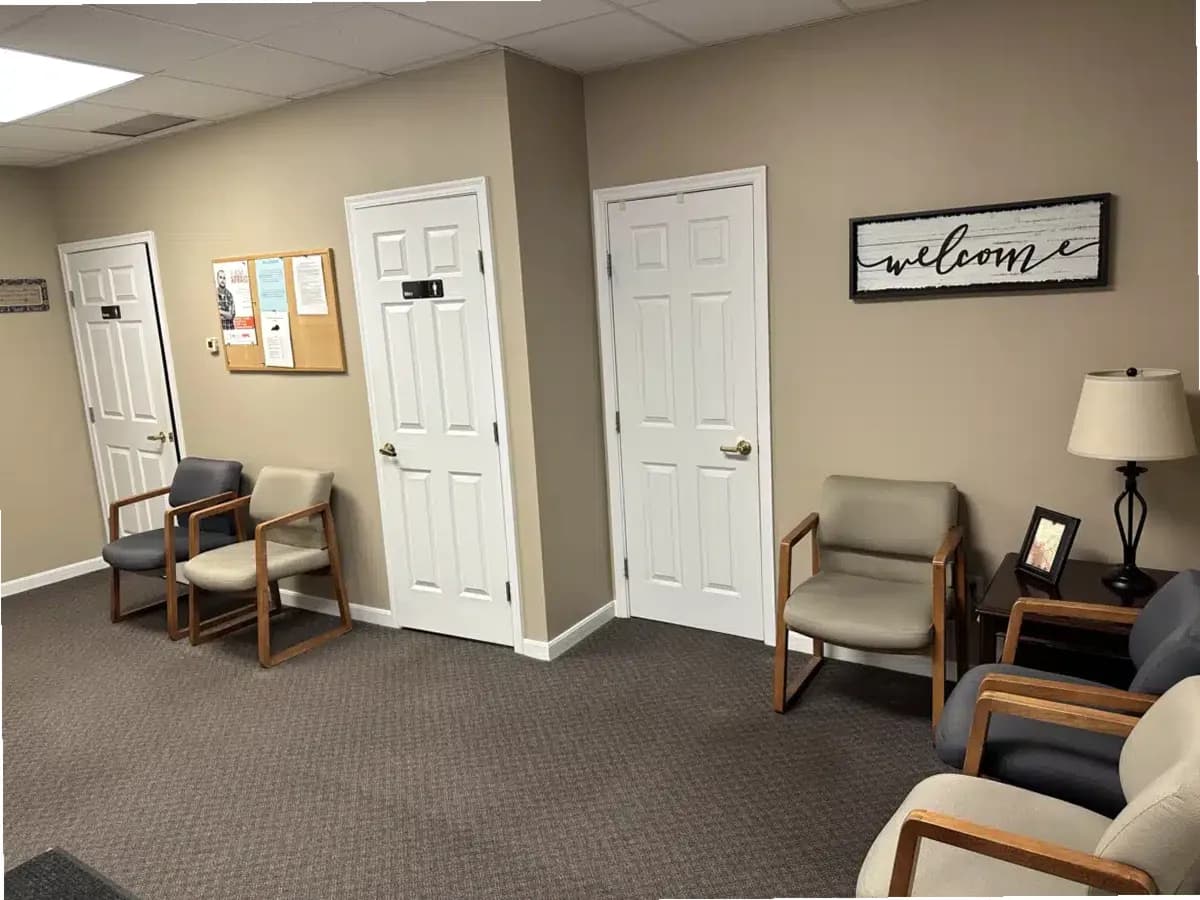


Richmond(5 centers)
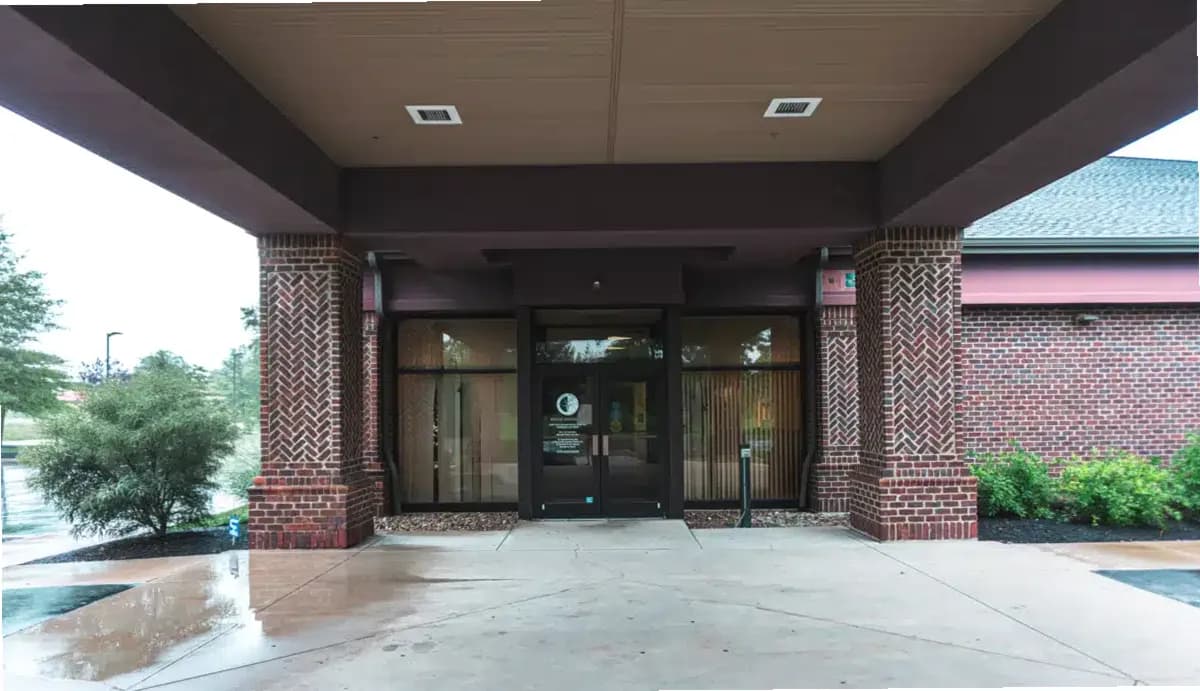
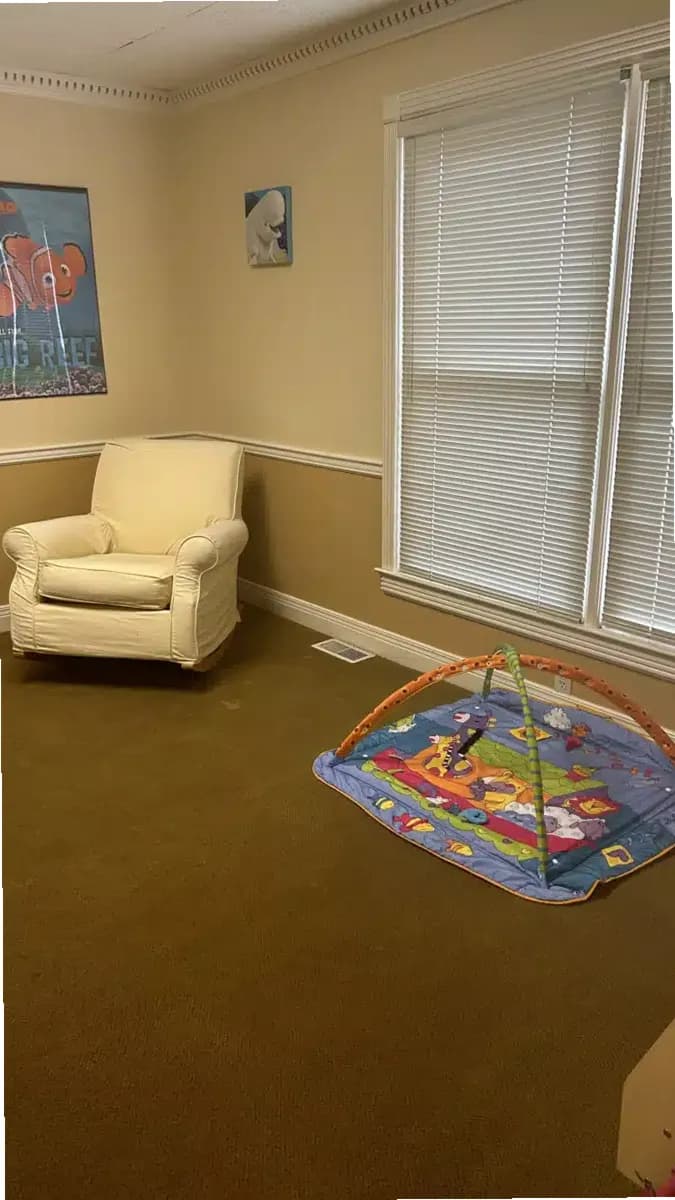

Hazard(5 centers)
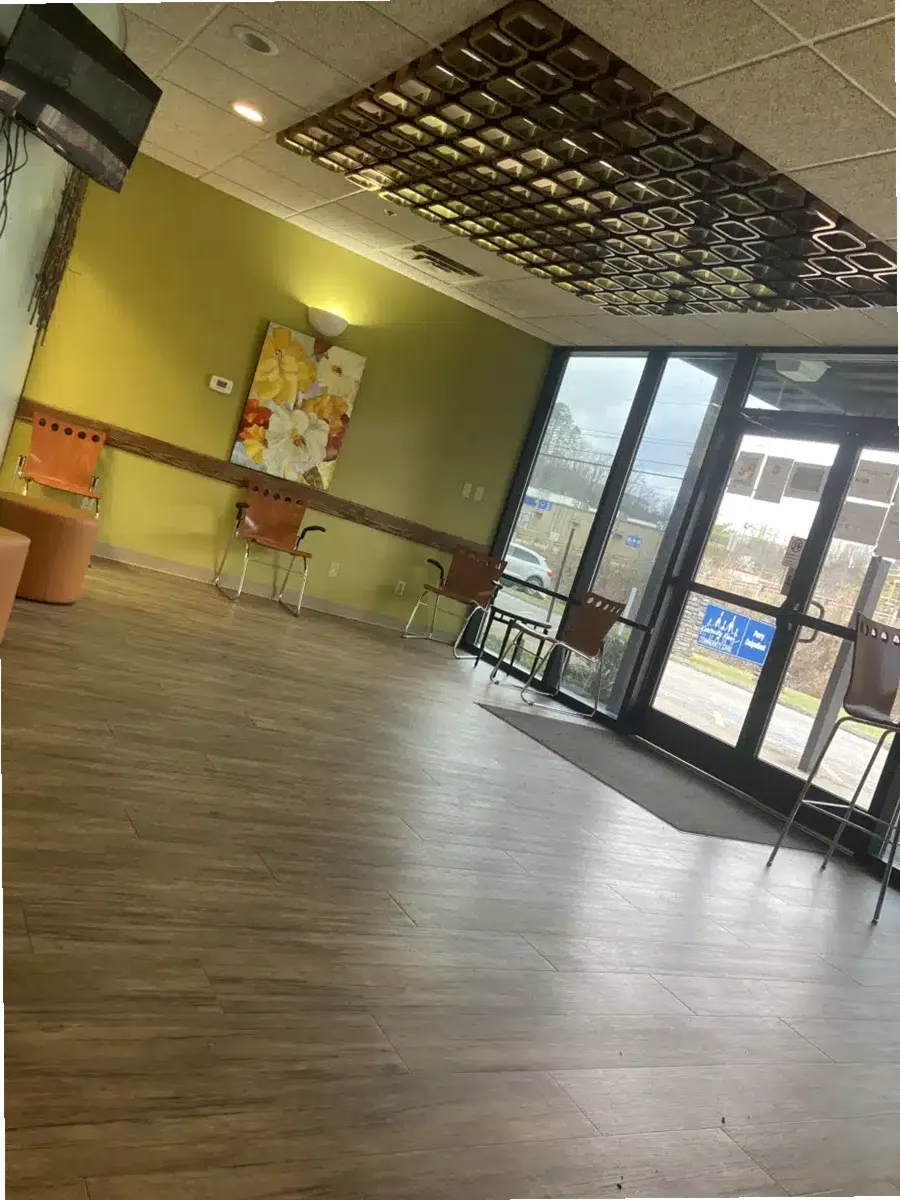
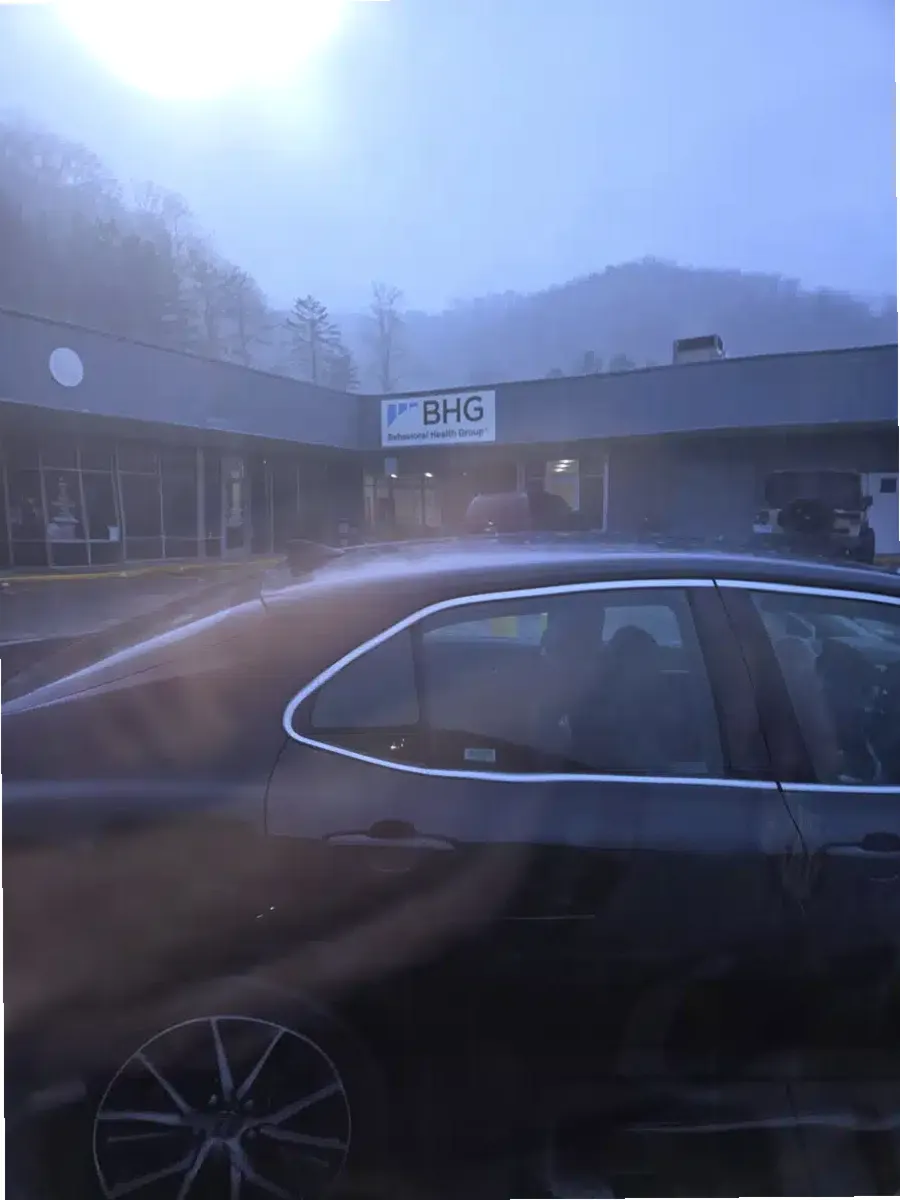
Covington(5 centers)
More Cities in Kentucky
120 citiesSigns You May Need Help
Physical Signs
- Needing more of a substance to feel the same effect
- Withdrawal symptoms when not using
- Neglecting physical health and appearance
- Unexplained weight changes
- Sleep pattern disruptions
Behavioral Signs
- Failed attempts to cut down or stop using
- Spending increasing time obtaining, using, or recovering
- Withdrawing from family, friends, and activities
- Continuing use despite negative consequences
- Loss of interest in hobbies and responsibilities
If you recognize these signs in yourself or a loved one, help is available. Call KY HELP Call Center at 1-833-859-4357 — 24/7, free, and confidential.
Addiction Treatment in Kentucky
Kentucky's hub-and-spoke model is a national model for MAT delivery — specialty hubs in Louisville, Lexington, and other cities provide intensive treatment, while community-based spokes offer ongoing medication management and counseling closer to home. The University of Kentucky's addiction research programs contribute evidence-based innovations, and the state has dramatically expanded treatment infrastructure in previously underserved Appalachian communities. Kentucky Medicaid covers comprehensive addiction treatment through managed care organizations, and peer support specialists — many of whom are in recovery themselves — are integrated throughout the treatment system. The state also operates Recovery Kentucky centers providing transitional housing and long-term recovery support.
- Pioneering hub-and-spoke MAT model provides rapid access to medication-assisted treatment statewide
- University of Kentucky CENTER on Drug & Alcohol Research drives evidence-based treatment innovation
- Treatment system built from frontline opioid crisis experience — providers deeply understand addiction
- Peer support specialists integrated throughout the treatment system for long-term recovery support
- Recovery Kentucky centers offer transitional housing bridging treatment to independent living
- Appalachian treatment centers understand rural community challenges, stigma, and economic barriers
Kentucky Medicaid covers comprehensive substance abuse treatment including detox, residential, PHP, IOP, outpatient, MAT, and peer support services through managed care organizations. Kentucky expanded Medicaid under the ACA, significantly increasing access. Most private insurers are accepted, and the KY HELP Call Center can identify programs with available state-funded beds for uninsured patients.
Types of Treatment Available in Kentucky
| Level | Duration | Setting | Intensity | Cost | Best For |
|---|---|---|---|---|---|
| Medical Detox | 3–7 days | Hospital / Clinic | 24/7 medical | $$$$ | Severe withdrawal, safety |
| Residential | 30–90 days | Live-in facility | Full-time | $$$$ | Serious addiction, structure |
| PHP | 4–6 weeks | Day program | 5–7 hrs/day | $$$ | Step-down, medical needs |
| IOP | 2–4 months | Outpatient center | 3–4 hrs, 3–5x/week | $$ | Working adults, families |
| Outpatient | 3–12 months | Office / Telehealth | 1–2 hrs, 1–2x/week | $ | Maintenance, mild cases |
| Sober Living | 3–12 months | Group housing | Peer support | $$ | Transition, structure |
Medical Detox
$$$$Residential
$$$$PHP
$$$IOP
$$Outpatient
$Sober Living
$$Expert Tips for Kentucky
Kentucky's hub-and-spoke MAT model is genuinely innovative — you can start medication-assisted treatment quickly, often within days of seeking help.
Peer support specialists are a real strength of Kentucky's system — many are in long-term recovery themselves and provide invaluable guidance.
The KY HELP Call Center (1-833-859-4357) provides free, personalized referrals and knows which programs have immediate availability.
Recovery Kentucky centers offer structured transitional housing after residential treatment — plan your step-down care before completing your program.
If you're in eastern Kentucky, Appalachian-focused treatment centers understand the specific challenges of rural recovery and reduce stigma.
University of Kentucky programs offer research-connected treatment — ask about clinical trials if standard approaches haven't been effective.
Official state resources and organizations providing addiction treatment support in Kentucky.
Kentucky Cabinet for Health and Family Services (CHFS)
State agency overseeing substance abuse treatment services, provider licensing, and treatment funding
1-502-564-2880KY HELP Call Center
24/7 helpline connecting Kentuckians to addiction treatment, recovery housing, and support services
1-833-859-4357National Resources
Federal resources and hotlines available 24/7 for addiction support.
Free, confidential, 24/7, 365-day-a-year treatment referral and information service
Find treatment facilities in your area
Provides 24/7 free and confidential support for people in distress
Research and information on drug use and addiction
Frequently Asked Questions
This website provides general information about addiction treatment centers. It is not a substitute for professional medical advice, diagnosis, or treatment. If you're in crisis, call 988 (Suicide & Crisis Lifeline) or 911. For help finding treatment, call SAMHSA at 1-800-662-4357 — free, confidential, 24/7.
Information sourced from SAMHSA Treatment Locator, state licensing records, and facility submissions.